(1).webp)
* All product/brand names, logos, and trademarks are property of their respective owners.
Pakistan’s auto show scene has evolved into a practical decision-making space for car buyers rather than just a display of shiny vehicles. What once started as modest exhibitions aimed at manufacturers and parts dealers now plays a direct role in how buyers research, compare, and even commit to new cars.
For many buyers, especially first-time purchasers or those planning a major upgrade, auto shows offer something regular dealerships cannot: side-by-side comparisons, early access to upcoming models, and direct interaction with brand representatives. In a market shaped by price volatility, delivery delays, and changing import policies, this access matters.
From high-profile car unveilings to electric vehicle (EV) demonstrations and expert-led sessions, Pakistan’s major auto shows attract buyers who want clarity before committing significant money. Events like the Pakistan Auto Show (PAPS) and the PakWheels Auto Show series bring automakers, local assemblers, financial institutions, and consumers into one space—making them highly relevant for anyone planning to buy. Beyond the spectacle, these events help buyers understand broader market realities, including hybrid and electric adoption, localization efforts, resale expectations, and long-term ownership costs. This article breaks down what buyers should realistically expect from auto shows in Pakistan and how to use them to make smarter purchasing decisions.
Over the past decade, auto shows in Pakistan have shifted from industry-only exhibitions to buyer-centric public events. Earlier shows focused heavily on parts suppliers and manufacturers, offering limited value to everyday consumers. Today, the emphasis has changed.
Cities like Karachi, Lahore, and Islamabad now host large-scale auto shows designed for public engagement. These events include product walk-throughs, interactive displays, test-drive zones, and on-site financing desks—features that directly cater to buyers evaluating real purchase options.
This growth reflects a maturing car-buying audience. As prices increased and waiting periods became longer, buyers began demanding more transparency and information before booking. Auto shows responded by becoming platforms where brands compete not just on looks, but on features, value, and buyer confidence. For buyers, this evolution means auto shows are no longer optional entertainment—they are research tools.
The Pakistan Auto Show (PAPS), organized by PAAPAM, remains the most industry-focused event. For buyers, its value lies in seeing locally assembled vehicles, upcoming launches, and supplier-backed technology in one place. PAPS is particularly useful for understanding where local manufacturing is headed and which brands are investing long-term in Pakistan.
The PakWheels Auto Show offers a different kind of buyer value. It attracts a younger, digitally informed audience and focuses on modified cars, performance vehicles, and practical ownership discussions. For buyers interested in customization, resale trends, or real-world user feedback, PakWheels events provide strong insights.
Niche events like Bloom Auto Show cater to buyers exploring electric and hybrid vehicles. These shows address practical EV concerns such as charging infrastructure, maintenance costs, and long-term usability—topics that matter far more than aesthetics for serious buyers. Each of these events serves a different buyer intent, and understanding that distinction helps buyers choose where to spend their time.
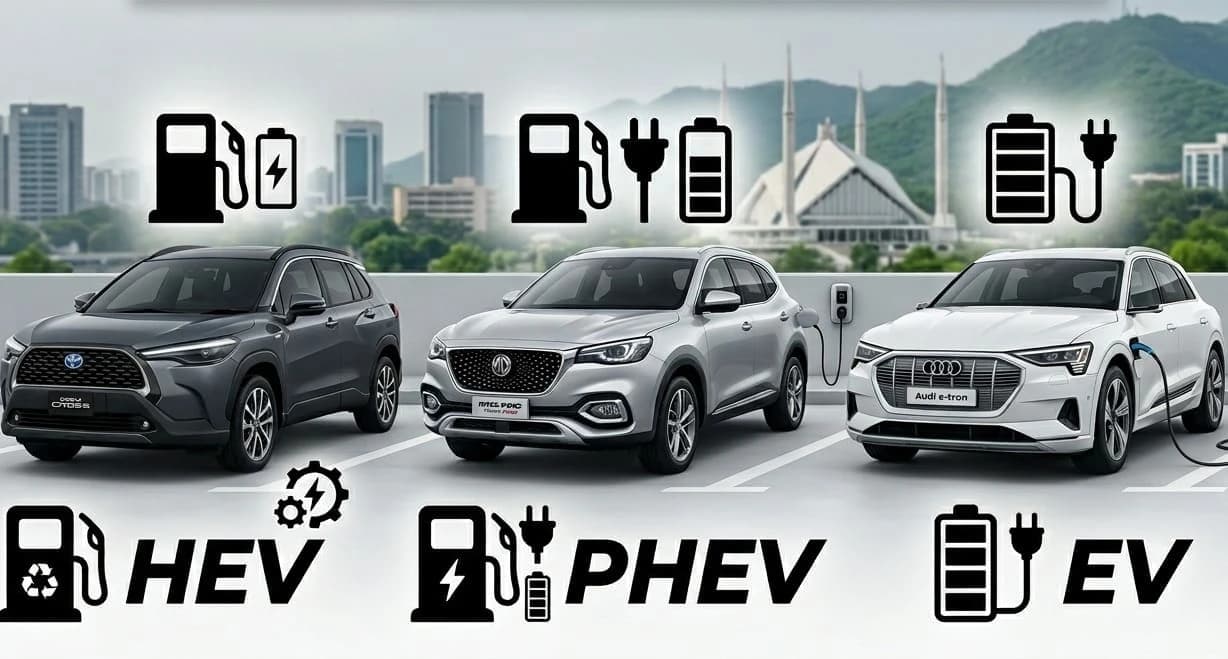
Auto shows function as real-time indicators of where Pakistan’s auto market is heading. The increasing presence of hybrid and electric vehicles highlights a gradual shift toward fuel efficiency and lower running costs—two major buyer concerns in today’s economy. Another visible trend is localization. Dedicated sections for Pakistani auto parts manufacturers and assemblers signal efforts to reduce dependency on imports. For buyers, this has long-term implications: better parts availability, lower maintenance costs, and improved resale confidence.
Auto shows also expose buyers to industry limitations. Delays in EV infrastructure, limited model variety, and pricing gaps between global and local offerings become evident when brands are compared side by side. This transparency helps buyers set realistic expectations before committing.
For buyers actively considering a purchase, auto shows provide unmatched efficiency. Instead of visiting multiple dealerships across the city, buyers can compare designs, features, interior quality, and pricing strategies in one visit.
Manufacturers often use auto shows to introduce new variants or preview upcoming launches. Buyers attending these events gain early awareness, allowing them to decide whether to wait for a new model or proceed with an existing option. This is especially important in Pakistan, where booking a car too early or too late can significantly impact price and delivery time. EV and hybrid buyers benefit the most. Auto shows allow hands-on evaluation of charging ports, battery placement, cabin space, and driving modes—details that brochures and online videos often fail to communicate clearly.
One of the strongest buyer incentives at auto shows is access to event-specific offers. These may include price freezes, complimentary accessories, or priority booking slots. While discounts are not always guaranteed, value-added benefits are common.
Banks and leasing companies also participate, offering on-the-spot financing assessments. Buyers can compare loan structures, markup rates, and EMI plans in real time, which helps align vehicle choice with financial reality.
That said, buyers should approach pre-bookings carefully. While early booking can reduce waiting periods, it also locks buyers into price and delivery conditions. Auto shows are best used to gather offers and compare, not rush decisions.
To get real value from an auto show, buyers should arrive prepared:
Shortlist vehicles in advance based on budget and usage.
Ask about delivery timelines, not just prices.
Clarify warranty and after-sales coverage, especially for hybrids and EVs.
Compare features across brands, not just within one stall.
Avoid emotional bookings driven by limited-time hype.
Buyers should also be cautious of concept vehicles and display-only models that may not reach the local market soon. Focus on models with confirmed availability and clear pricing structures.
Auto shows in Pakistan have become practical decision-making platforms for car buyers rather than mere exhibitions. They offer direct exposure to market trends, upcoming launches, financing options, and ownership realities that are difficult to assess through dealerships alone.
For buyers navigating rising prices, delivery delays, and evolving technology, auto shows provide clarity. From evaluating electric and hybrid vehicles to understanding localization and long-term maintenance implications, these events help buyers make informed, confident choices.
Whether you are actively planning a purchase or preparing for one in the near future, attending an auto show equips you with knowledge that directly impacts cost, convenience, and satisfaction. Used strategically, auto shows are not just worth attending—they are one of the smartest research tools available to car buyers in Pakistan.

Mushraf Baig is a content writer and digital publishing specialist focused on data-driven topics, monetization strategies, and emerging technology trends. With experience creating in-depth, research-backed articles, He helps readers understand complex subjects such as analytics, advertising platforms, and digital growth strategies in clear, practical terms.
When not writing, He explores content optimization techniques, publishing workflows, and ways to improve reader experience through structured, high-quality content.
Tucked away in the breathtaking mountains of Gilgit-Baltistan lies a stretch of golden sand unlike a
12 November 2025
The Pakistan Auto Show 2025 just wrapped up — and it was nothing short of electrifying. From j
7 November 2025
Be the first to share your thoughts
No comments yet. Be the first to comment!
Share your thoughts and join the discussion below.