* All product/brand names, logos, and trademarks are property of their respective owners.
The monsoon season in Pakistan brings much-needed relief from the scorching summer — but it also brings a flood of car troubles. From slippery roads to waterlogged streets, rain can wreak havoc on your vehicle if it’s not properly prepared. Whether you’re navigating through the flooded lanes of Karachi, stuck in Lahore’s infamous traffic during a downpour, or facing sudden engine failure on an Islamabad road, the rainy season can catch even the most experienced drivers off guard.
Many car owners ignore essential pre-monsoon checks, only to deal with bigger, more expensive problems later. Think about it — poor visibility due to worn-out wipers, failing brakes on wet roads, or unexpected engine trouble caused by water seepage. That’s why being proactive with your car’s maintenance during monsoon isn’t just smart, it’s necessary.
This guide will walk you through everything you need to know about monsoon car care in Pakistan. We’ll break down the essential checks to perform before the rains arrive, and share smart tips to keep your car safe every day during the season. Best of all, it’s written in simple language with practical advice anyone can follow — even if you’re not a car expert.
Let’s start with the basics. Your tyres, brakes, and wipers are your best friends during the rainy season.
Check your tyres for tread depth — anything less than 2.5mm can be risky on wet roads. Smooth tyres lose grip and can cause your car to skid. If your tyres are worn out or cracked, replace them before the rains start. Also, check air pressure weekly; it tends to drop faster in humid weather.
Next, get your brakes inspected by a trusted mechanic. Worn brake pads, weak discs, or delayed brake response can be dangerous when roads are slippery. In the monsoon, every second of braking counts. Windshield wipers are another often-ignored part. If your blades leave streaks or squeak against the glass, replace them. Good wipers ensure clear visibility — which can be the difference between safety and an accident in heavy rain.
Electrical failures are more common during the monsoon due to moisture. Start with your battery — if it’s more than 2–3 years old or showing signs of weakness, get it tested or replaced. Your car’s lights — especially headlights, tail lights, brake lights, and fog lamps — are crucial in low-visibility conditions. Clean them thoroughly, check for any broken bulbs, and consider switching to brighter, waterproof LEDs.
Finally, inspect all electrical systems and wiring under the hood. Seal or replace any exposed wires to avoid shorts caused by water seepage.
Rainwater loves finding its way into places you can’t see — door seals, undercarriage, and even your trunk lining.
Inspect all rubber seals around windows, sunroofs, and doors. If they’re cracked or loose, replace them to prevent water leakage. Check the boot for damp carpets or moldy smells — signs that water is getting in. Rust is another silent enemy during the monsoon. Consider getting an anti-rust underbody coating, especially if you live in cities prone to flooding. It might cost you a bit upfront, but it’s far cheaper than repairing rusted components later.
Driving through waterlogged roads is almost unavoidable during Pakistani monsoons. But it’s also one of the most dangerous things for your vehicle. If you see standing water, don’t rush through it. Drive slowly and steadily in first gear. Keep engine revs high to avoid water entering the exhaust. Never restart your car if it stalls in water — it could cause permanent engine damage.
Avoid driving too close to the curb or in fast-moving water. These areas often hide open manholes or deep potholes. Also, maintain extra distance from other vehicles to avoid sudden braking. Once through the water, gently tap your brakes a few times to help dry them out.
The rain doesn’t just attack your car from the outside — it also creeps into the interior. Wet shoes, umbrellas, and humidity can all create the perfect environment for mold, bad smells, and stains.
Use rubber floor mats instead of fabric ones — they’re easier to clean and dry faster. Keep microfiber towels in your glovebox to quickly wipe foggy windshields or damp dashboards. Keep your windows slightly open when parked in a secure, covered space to improve air circulation. You can also place small pouches of silica gel or charcoal in the car to absorb excess moisture.
Smart parking is your first defense during heavy rains. Avoid parking under trees — falling branches, bird droppings, or dripping sap can damage your car. Don’t park on low ground or areas known for flooding.
A high-quality waterproof car cover can protect your car from constant rain exposure — but only if you use it correctly. Always cover your car when it’s dry; otherwise, you risk trapping moisture under the cover, leading to paint damage. It’s also wise to keep a basic emergency kit in the trunk. Include a torch, jumper cables, tyre inflator, raincoat, small toolset, and a bottle of drinking water. You never know when you might get stuck and need them.
Monsoon in Pakistan is as beautiful as it is brutal. While it brings cool breezes and greenery, it also challenges your car’s endurance — especially if you’re unprepared. But with a bit of foresight and some smart habits, you can avoid breakdowns, expensive repairs, and unnecessary stress. We’ve covered the key pre-monsoon car checks — like tyres, brakes, and electrical systems — and the daily maintenance tips that matter most. From navigating flooded streets to keeping your interior dry, each action you take now pays off in peace of mind later.
Don’t wait for problems to surface. Schedule that car inspection, buy those new wipers, replace that weak battery — do it before the first heavy rain hits. And if you’re unsure, visit your local mechanic and ask for a “monsoon checkup.”
Need help keeping track of all this? We’re working on a downloadable Monsoon Car Maintenance Checklist just for Pakistani drivers — practical, easy to follow, and printable. Want it? Just leave a comment or share this blog to let us know. Until then, drive safe, stay dry, and don’t let the rain ruin your ride.
Related
Stop Wasting Fuel This Winter: Engine-Idling Mistakes Drivers Don’t Realize They’re Making

Mushraf Baig is a content writer and digital publishing specialist focused on data-driven topics, monetization strategies, and emerging technology trends. With experience creating in-depth, research-backed articles, He helps readers understand complex subjects such as analytics, advertising platforms, and digital growth strategies in clear, practical terms.
When not writing, He explores content optimization techniques, publishing workflows, and ways to improve reader experience through structured, high-quality content.
When a car's AC stops cooling properly in Pakistan's summer, every traffic signal feels longer. The
5 June 2026
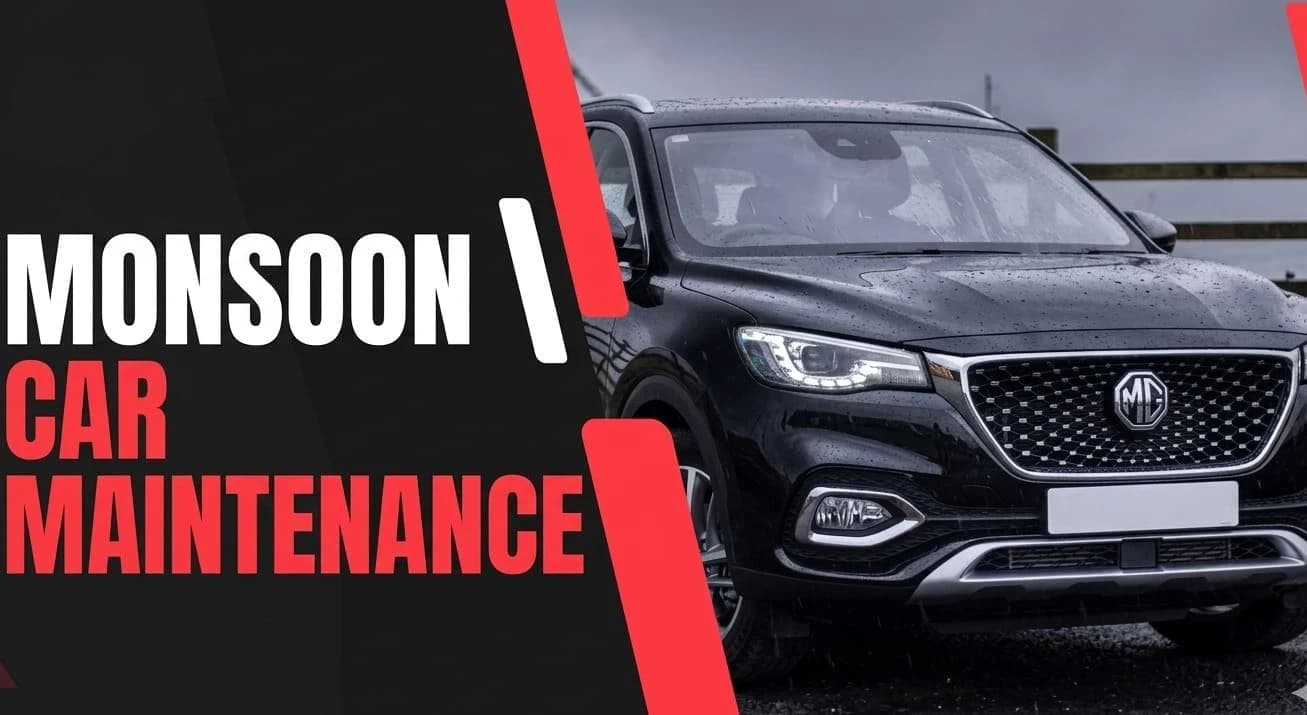
Monsoon driving in Pakistan is hard on cars. Roads flood, potholes hide under water, traffic slows,
4 June 2026
Picture this: you’ve planned the perfect road trip. Your playlist is dialed in, snacks are pac
14 January 2026
Be the first to share your thoughts
No comments yet. Be the first to comment!
Share your thoughts and join the discussion below.
.webp&w=3840&q=75)