.webp)
* All product/brand names, logos, and trademarks are property of their respective owners.
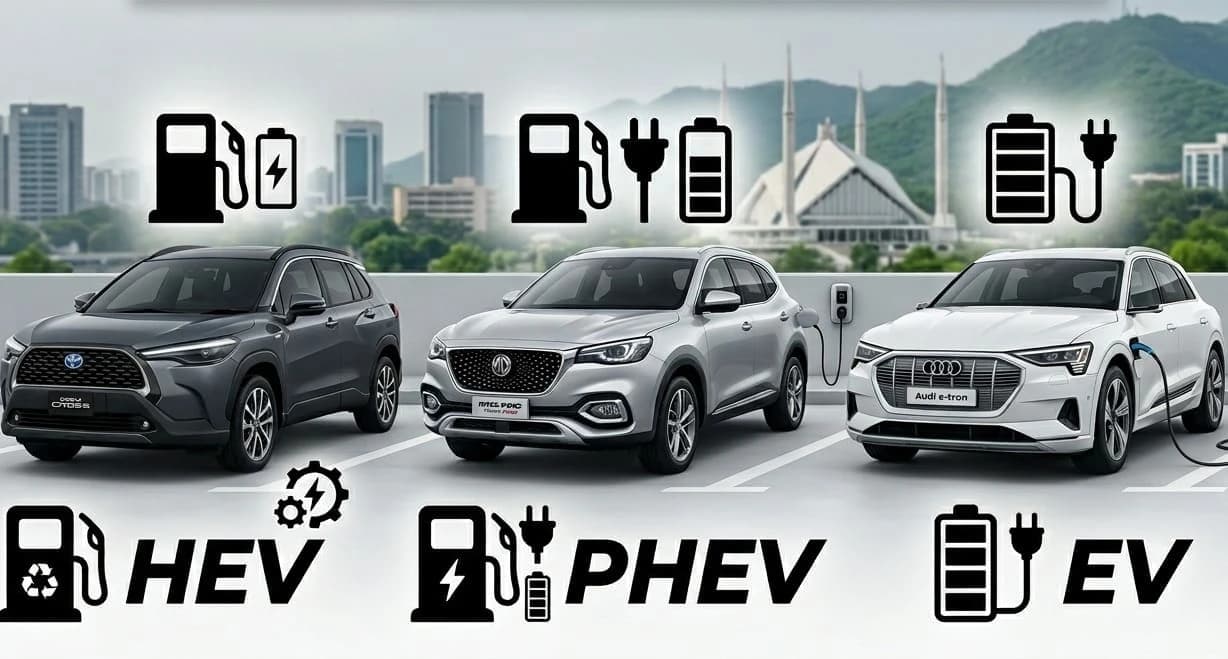
In recent years, Pakistan’s roads have quietly begun to tell a new story — one of a country steadily shifting gears. From the bustling streets of Karachi to the hills of Islamabad, hybrid cars are no longer rare; they’re becoming increasingly common. If you’ve noticed more Toyota Prius, Aqua, Honda Vezel, or MG HS PHEVs passing by, you’re not alone. But what’s really driving this trend? While fuel economy is a significant factor, it’s far from the only one. The growing popularity of hybrid cars in Pakistan stems from a unique mix of economic, infrastructural, and cultural factors — a combination that reflects how Pakistanis are adapting to rising costs and limited choices in the auto market.
Over the last few years, the country has witnessed fluctuating fuel prices, inconsistent import policies, and an unreliable electricity supply. In this context, switching fully to electric vehicles (EVs) may seem futuristic, but for most people, it’s not yet practical. Hybrid vehicles, however, have carved out a niche. They provide the best of both worlds: improved fuel efficiency compared to traditional petrol cars, without the range anxiety or dependency on charging infrastructure of full EVs. They also align with Pakistani priorities: reliability, familiarity, and resale value. With established brands like Toyota and Honda leading the segment, trust is already in place.
In this blog, we’ll explore the real reasons why hybrid cars are leading Pakistan’s market. We’ll also examine how EVs and hybrids compare, what policies influence buyer behavior, and what the future might hold for our roads.
The average Pakistani household is feeling the pressure. With fuel prices often exceeding PKR 300 per litre and inflation reducing disposable income, the cost of daily travel has become a serious concern. Hybrid cars offer a clear solution. Models such as the Toyota Aqua and Honda Fit Hybrid deliver fuel efficiencies of around 20–25 km per litre in urban conditions, with even higher figures achievable in ideal circumstances. For families commuting through traffic-heavy cities like Lahore or Karachi, hybrids significantly reduce fuel expenses.
Hybrid engines excel in stop-and-go traffic, where the electric motor can handle low-speed driving, reducing petrol consumption. This combination of petrol and electric power is a practical solution for daily commuters, offering tangible savings without requiring changes to driving habits.
In Pakistan, brand trust often matters as much as the vehicle itself. Buyers are looking for reliability, resale value, and accessible service networks — factors that influence long-term satisfaction.
Brands like Toyota and Honda dominate the hybrid market for good reason. Their hybrids, including the Prius and Vezel, leverage familiar models, making them less intimidating for new buyers. Additionally, the availability of used imported hybrids from Japan has expanded access to this market. These vehicles typically have proven reliability, spare parts availability, and established service options, making them a safe choice for middle-class buyers.
Government regulations have also shaped the hybrid boom. At various times, Pakistan’s auto policies have favored hybrids through reduced import duties or tax benefits, making them financially attractive for importers and consumers. Locally assembled hybrid models, like the Toyota Corolla Cross Hybrid, further benefit from lower taxes and easier financing options.
Meanwhile, EVs often face higher upfront costs, limited infrastructure, and inconsistent support. These policy and economic gaps have allowed hybrids to thrive. They are easier to import, maintain, and resell under current market conditions, making them the default choice for many buyers.
EV adoption in Pakistan faces real challenges. Public charging stations exist in only a handful of cities, including Islamabad, Lahore, and Karachi, and even these are not consistently reliable. Scheduled power outages and voltage fluctuations add another layer of difficulty. Charging an EV at home becomes inconvenient or impossible in areas without stable electricity.
Hybrid vehicles bypass this issue. Their battery systems recharge automatically while driving, offering improved efficiency without reliance on external electricity. For many buyers, this reliability is a decisive advantage.
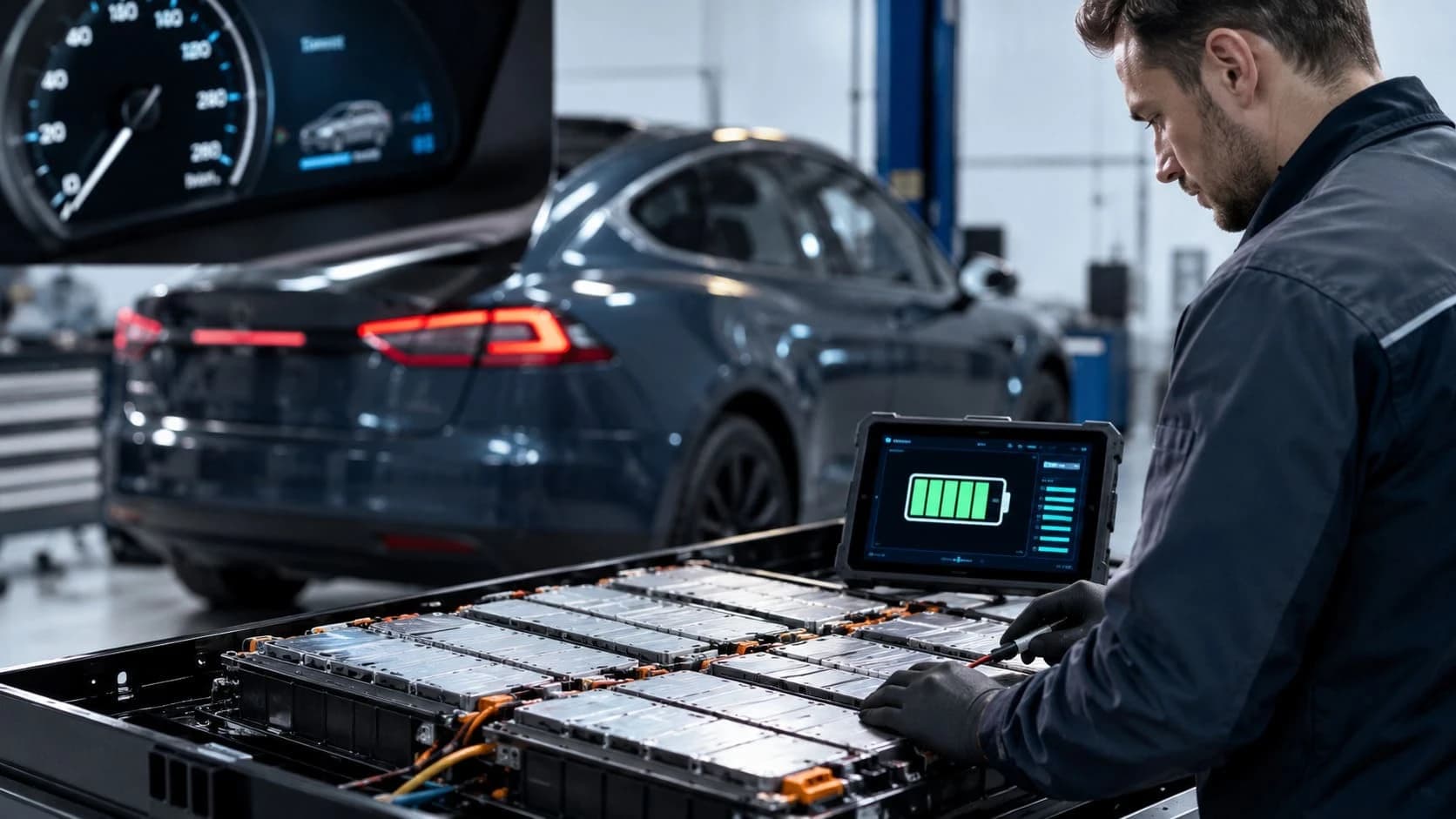
EVs, particularly imported models like the MG ZS EV or Audi e-tron, remain expensive relative to the average Pakistani consumer. Even smaller EVs face additional hurdles: import duties, limited financing options, and concerns over battery lifespan. Questions like, “What if the battery dies in three years?” or “Where will I find parts?” are legitimate.
By contrast, hybrids use familiar technology. Petrol engines remain central to their design, ensuring widespread service availability and lower maintenance costs. This technological familiarity increases consumer confidence and accelerates market adoption.
EVs are best suited to dense urban areas with short commutes and reliable electricity. Yet, a large portion of Pakistan’s population lives in semi-urban or rural regions, where power supply is unreliable and charging infrastructure is absent. Hybrids, however, do not face these limitations. They can be refueled anywhere and do not demand changes in driving habits, making them practical for both city streets and intercity travel. This flexibility has helped hybrids dominate adoption across diverse demographics.
Pakistanis prioritize practicality over novelty. Hybrids are easier to understand and maintain compared to full EVs, making them a comfortable choice for families, middle-class commuters, and small business owners. The presence of a petrol engine provides a sense of security, while electric components deliver efficiency — a combination that resonates with the local mindset.
Another factor boosting hybrid sales is resale potential. Vehicles from trusted brands such as Toyota and Honda retain value better than most imported EVs. Buyers are aware that hybrid models can be sold with minimal depreciation, which is a key consideration in a price-sensitive market.
With fuel prices rising and electricity supply unreliable, hybrids offer a balanced approach. They mitigate rising costs without demanding significant behavioral changes from drivers. By offering efficiency, flexibility, and reliability, hybrids are perfectly positioned to meet Pakistan’s evolving automotive needs.
Hybrid vehicles are currently leading the market for practical reasons, but the story does not end there. EV adoption could accelerate with strategic investments in infrastructure, favorable policies, and consumer awareness campaigns.
Charging networks need expansion, and financing options for EVs must improve. Public education about long-term savings, environmental benefits, and maintenance practices will also play a critical role. However, until these factors are addressed, hybrids remain the most balanced and accessible option for the majority of Pakistani drivers.
Pakistan’s automotive market is undergoing a quiet transformation, and hybrid vehicles are at the forefront. While global headlines often focus on electric vehicles, the reality on our roads tells a different story. Hybrids are winning — not because they are trendier, but because they are practical.
In a country where fuel prices are volatile, electricity supply is unreliable, and long-distance driving is common, hybrids strike the right balance. They are efficient, familiar, and backed by brands that buyers already trust. Unlike EVs, they do not require a major lifestyle shift: no home chargers, no anxiety over blackouts, and no dependency on a limited charging network.
Electric vehicles do have potential in Pakistan’s future, but for now, hybrids offer a smart, balanced, and future-ready choice. For anyone considering their next car purchase, hybrid vehicles deliver long-term savings, convenience, and peace of mind — precisely what Pakistani drivers need in today’s economic and infrastructural landscape.

Mushraf Baig is a content writer and digital publishing specialist focused on data-driven topics, monetization strategies, and emerging technology trends. With experience creating in-depth, research-backed articles, He helps readers understand complex subjects such as analytics, advertising platforms, and digital growth strategies in clear, practical terms.
When not writing, He explores content optimization techniques, publishing workflows, and ways to improve reader experience through structured, high-quality content.
Used hybrid cars are popular in Pakistan because they promise better fuel economy, smoother city dri
5 June 2026
In 2026, buying a car in Pakistan isn’t just about picking manual or automatic anymore. The re
21 February 2026
Toyota Just Shocked the Auto World — And It’s Headed to Pakistan Soon: For the first tim
11 November 2025
Be the first to share your thoughts
No comments yet. Be the first to comment!
Share your thoughts and join the discussion below.