* All product/brand names, logos, and trademarks are property of their respective owners.
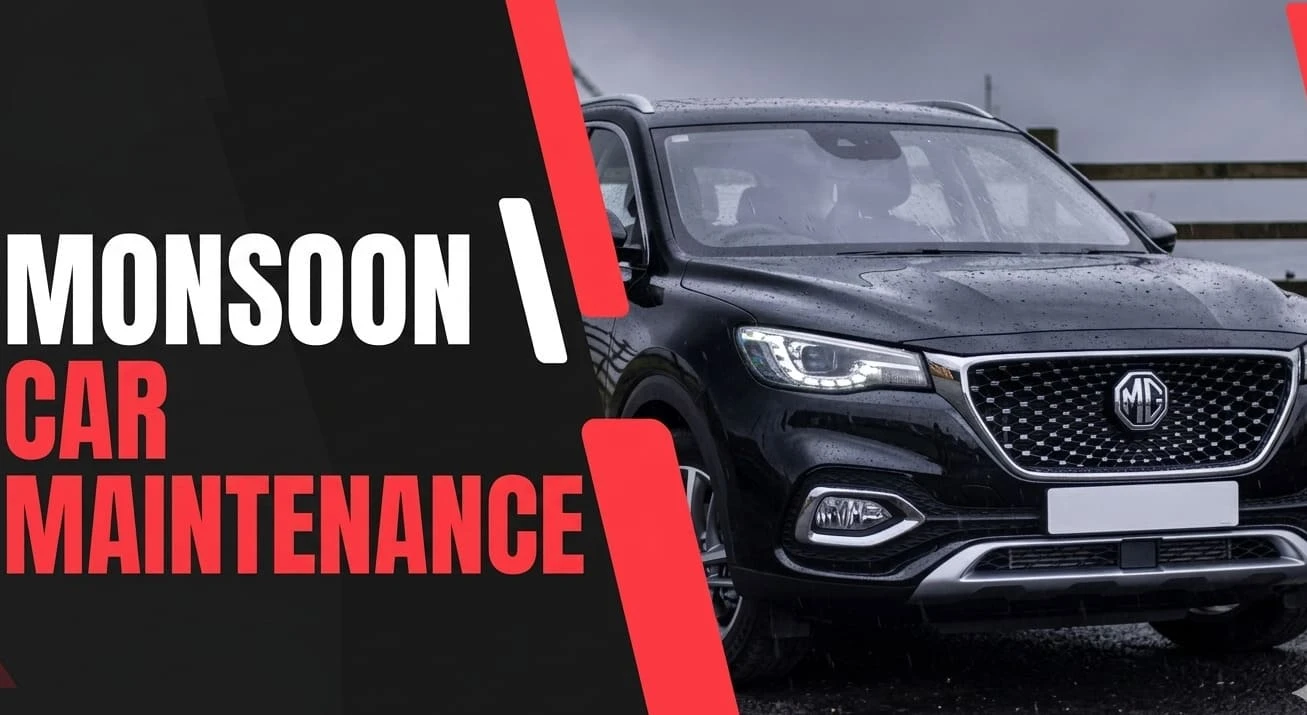
Monsoon driving in Pakistan is hard on cars. Roads flood, potholes hide under water, traffic slows, visibility drops, and small maintenance problems become big headaches. A weak battery, old wipers, worn tyres, or poor brakes may be manageable on a dry day, but heavy rain exposes every shortcut. This monsoon car maintenance Pakistan checklist helps you prepare before the first serious downpour.
The goal is simple: improve grip, visibility, braking, electrical reliability, and cabin comfort. You do not need expensive modifications. You need careful inspection and timely replacement of the parts that matter most in wet conditions.
Tyres are your only contact with the road. In rain, tread depth and tyre condition decide how quickly the car can stop and how well it resists slipping. Do not judge tyres only by age or brand. Look at tread wear, cracks, bulges, uneven edges, and air pressure.
| Tyre check | What to look for | Why does it matter in the rain |
|---|---|---|
| Tread depth | Clear grooves across the tyre | Helps channel water away from the contact patch |
| Sidewall cracks | Dry lines, cuts, swelling | Weak sidewalls can fail on potholes |
| Air pressure | Pressure set to the manufacturer's recommendation | Wrong pressure reduces grip and stability |
| Alignment | Car pulling left or right | Wet roads magnify control problems |
If your tyres are already close to replacement, do not wait for peak monsoon. Tyre shops become busier after rain damage starts.
Wet roads increase stopping distance. Your brakes must be predictable, not noisy, spongy, or delayed. If the pedal feels soft, the car vibrates while braking, or you hear grinding, get the brakes inspected before driving in heavy rain.
Brake fluid absorbs moisture over time, which can reduce performance. A mechanic can check whether it needs replacement. This is especially important for cars that have not had a full service in a long time.

Wipers are cheap compared with the risk of poor visibility. If they leave lines, chatter, skip, or fail to clear the windshield in one pass, replace them. Many drivers wait until the first storm, then discover the rubber has hardened in summer heat.
Use washer fluid instead of plain water where possible because it cleans road grime better. Also check the washer nozzles. If they spray too low, too high, or not at all, clear them before rain starts.
In humid rain, the windshield can fog quickly. Your AC and defogger are safety tools, not luxury items. Check that the blower works at different speeds, the AC cools properly, and air direction controls move air to the windshield.
If the cabin filter is clogged, airflow becomes weak and defogging suffers. Replacing a dirty cabin filter can improve both cooling and visibility.
Water and weak electrical systems do not mix. Before the monsoon, inspect the battery terminals, alternator performance, headlights, brake lights, indicators, horn, and fuse box area. Loose wiring, aftermarket accessories, and poorly installed lights can create problems when moisture enters.
Many engines are damaged not by rain, but by drivers forcing cars through deep standing water. If water is above the lower part of the bumper or you cannot see the road surface, do not proceed unless there is no safer option. Water can enter the intake, damage electronics, or hide open manholes and deep potholes.
If you must cross shallow water, move slowly and steadily. Do not create a wave. After crossing, gently apply the brakes to dry them. If the engine stalls in water, do not repeatedly crank it. Get help.
Keep a small kit in the car. It does not need to be fancy. A flashlight, phone charging cable, basic tools, tyre inflator, raincoat, microfiber cloth, spare fuse, and emergency contact numbers can make a bad evening easier.
Monsoon car maintenance in Pakistan is about prevention. Good tyres, healthy brakes, clear wipers, working lights, reliable AC, and cautious water-crossing decisions can save money and reduce risk. Fix the small things now, before rain turns them into roadside problems.

Water inside the cabin is more than an inconvenience. It can create a smell, rust, electrical problems, and mould under the carpet. Before monsoon, inspect door rubbers, trunk seals, windshield edges, and sunroof drains if your car has a sunroof. After washing the car, check the footwells and the spare tyre area for dampness.
Older cars often leak from small gaps that are easy to miss. If you smell damp carpet after rain, do not ignore it. Remove mats, dry the area, and find the source. Covering the smell with perfume only hides the problem.
Rainwater, mud, and standing water can affect suspension parts, wheel bearings, exhaust mounts, and underbody protection. Ask your mechanic to inspect bushes, ball joints, steering rack boots, and exhaust hangers. A loose underbody shield can also catch water and break on flooded roads.
If your car already makes suspension noise on dry roads, rain will not improve it. Fixing worn parts before the monsoon reduces the chance of being stranded after hitting a hidden pothole.
Many drivers associate overheating with summer only, but monsoon traffic jams can also stress the cooling system. Check coolant level, radiator cap condition, fan operation, and visible leaks. Heavy rain can turn a normal commute into a long idle session, and a weak cooling system may fail when traffic barely moves.
Use the correct coolant mixture instead of repeatedly topping up with plain water. If the temperature needle rises unusually, stop safely and investigate rather than forcing the car through traffic.
After driving through heavy rain, take five minutes to inspect the car. Look for water in lights, unusual brake noise, tyre damage, loose number plates, and mud packed around wheel wells. Listen for new sounds from suspension or belts. Early attention can prevent small rain damage from becoming a repair bill.
For cars with low ground clearance, be extra careful after flooded routes. Scrapes under the bumper, loose splash shields, and damaged clips are common and should be fixed before the next downpour.

Yes, especially if the route had muddy or dirty standing water. A basic underbody rinse helps remove grime that can sit around suspension parts, brakes, and wheel wells. Avoid pressure-washing sensitive electrical areas directly.
Use hazard lights only when the car is stopped or there is a genuine emergency. While moving, use headlights and indicators properly. Hazard lights can confuse other drivers because they hide your turning intention.

Feroza Arshad is a writer and content creator covering a range of subjects including news and current affairs, automobiles, sports, technology and coding, digital marketing, and Google and search trends. Her work appears across several blogs and publications. She focuses on clear, well-researched, and genuinely useful writing — breaking down developments, reviewing products, and explaining technical topics in plain language anyone can follow.
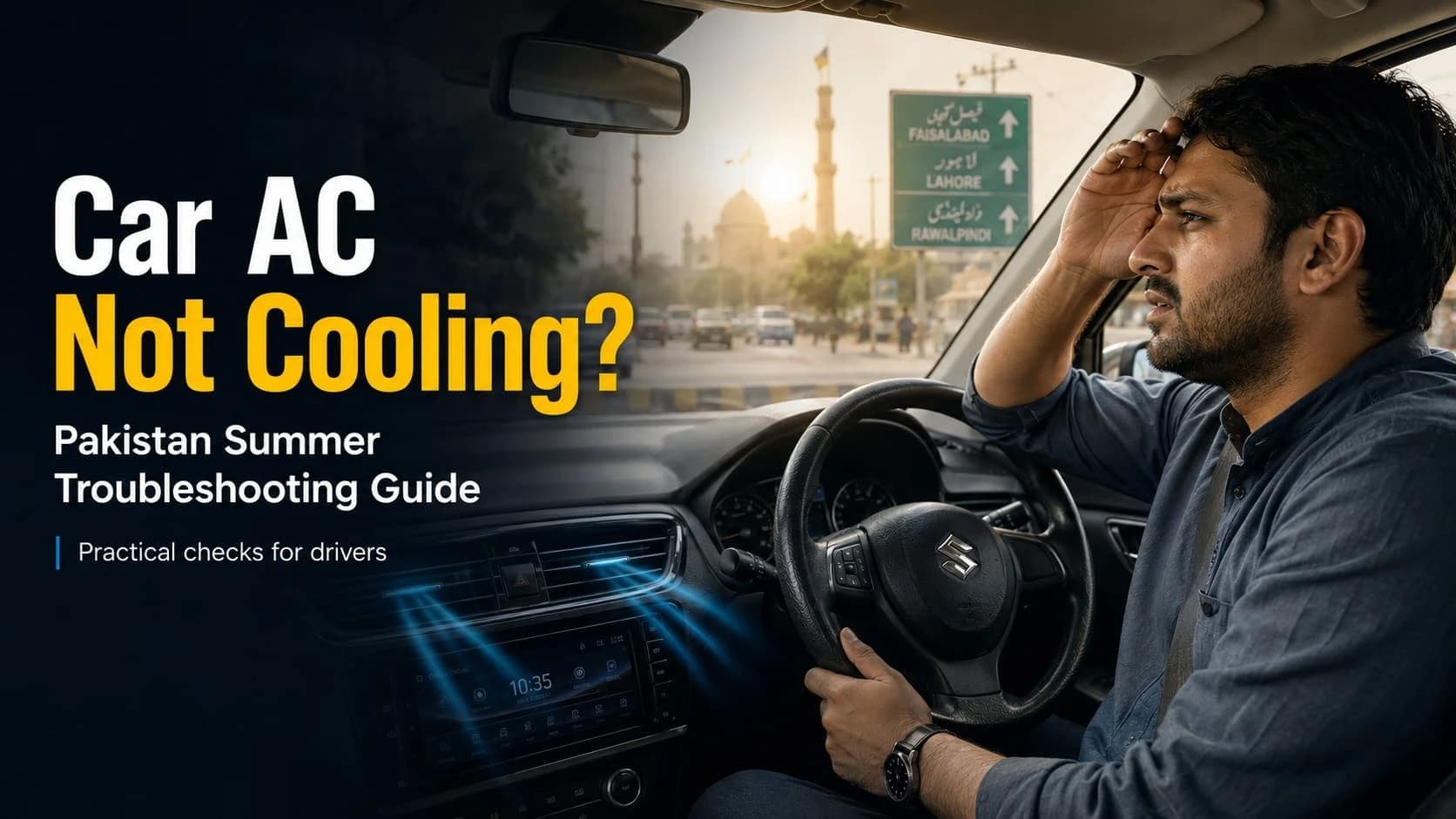
When a car's AC stops cooling properly in Pakistan's summer, every traffic signal feels longer. The
5 June 2026
The monsoon season in Pakistan brings much-needed relief from the scorching summer — but it al
26 January 2026
Picture this: you’ve planned the perfect road trip. Your playlist is dialed in, snacks are pac
14 January 2026
Be the first to share your thoughts
No comments yet. Be the first to comment!
Share your thoughts and join the discussion below.

.webp&w=3840&q=75)