* All product/brand names, logos, and trademarks are property of their respective owners.
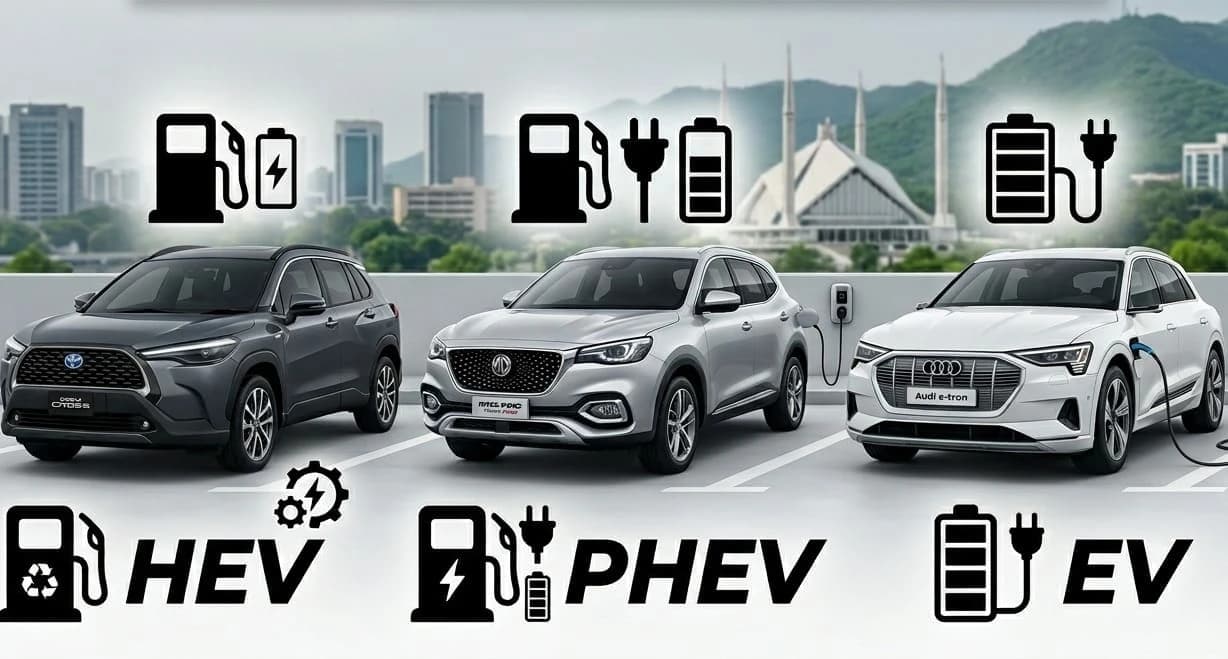
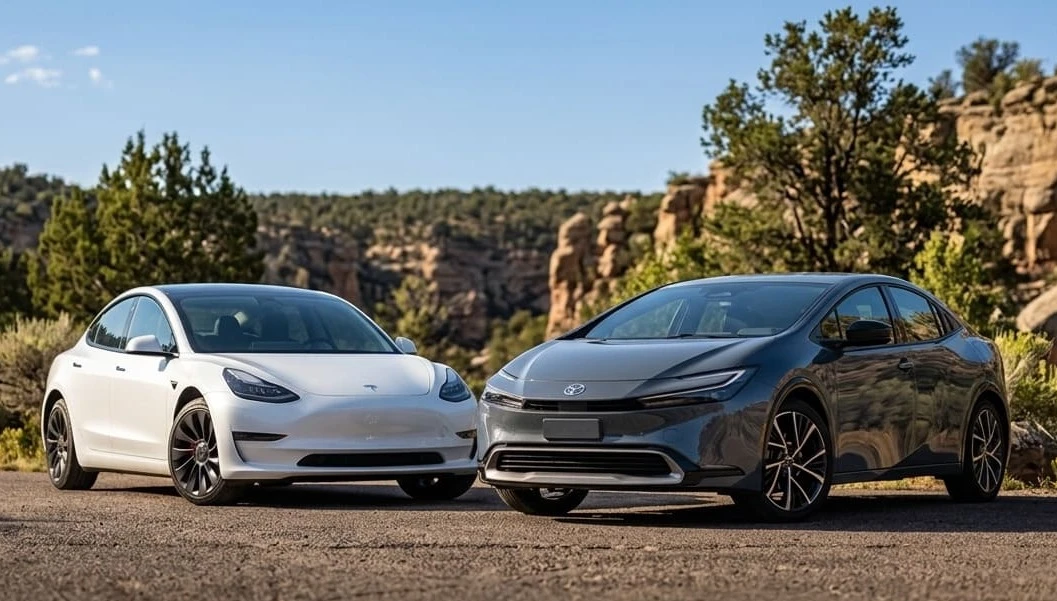
Fuel prices, new car launches, and growing interest in cleaner transport have made many buyers compare electric vs hybrid vehicles in Pakistan. Both options promise better efficiency than traditional petrol cars, but they work very differently in real life.
An electric vehicle runs fully on battery power and needs charging, while a hybrid uses both petrol and electric power to reduce fuel consumption. On paper, EVs look cheaper to run. In daily Pakistani conditions, hybrids often feel more convenient because they do not depend on charging stations.
So, which one makes more sense? The answer depends on your driving routine, city, budget, home charging access, and long-term ownership plans.
Before comparing costs and practicality, it helps to understand how both vehicle types work.
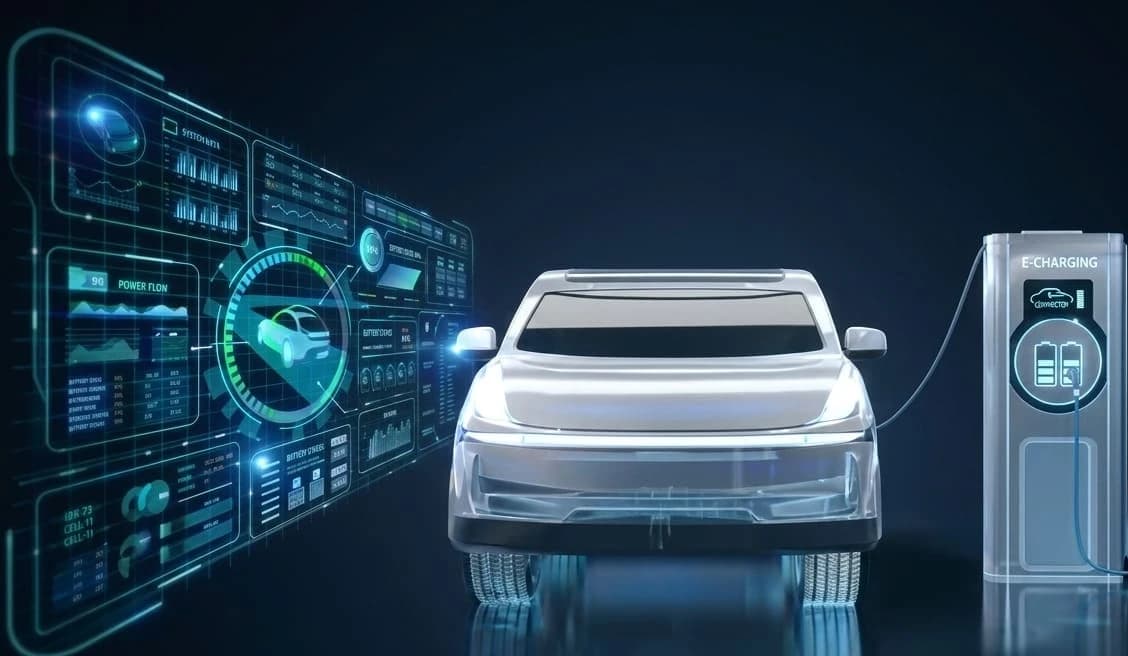
An electric vehicle, or EV, runs completely on battery power. It does not use petrol or diesel. Instead, you charge the battery through a home charger, wall socket, or public charging station. In Pakistan, EVs are becoming more visible in bigger cities, especially among buyers looking for lower running costs and modern driving features.
Common EV traits include:

A hybrid vehicle uses both a petrol engine and an electric motor. Most hybrids available in Pakistan do not need external charging. The battery charges automatically while driving, especially during braking and low-speed movement.
| Feature | Electric Vehicle | Hybrid Vehicle |
|---|---|---|
| Main power source | Battery | Petrol engine + battery |
| Needs petrol? | No | Yes |
| Needs charging? | Yes | Usually no |
| Best for | City driving with charging access | Mixed city and highway use |
| Main benefit | Lowest running cost | Better fuel average with convenience |
In simple terms, EVs are more advanced and cheaper to run, but hybrids are currently easier to live with in Pakistan.
Electric and hybrid vehicles both reduce fuel use, but they solve the problem in different ways. EVs remove petrol completely, while hybrids make petrol driving more efficient.
| Factor | Electric Vehicle | Hybrid Vehicle |
|---|---|---|
| Power source | Battery only | Petrol engine + electric motor |
| Fuel dependency | No petrol needed | Still needs petrol |
| Charging requirement | Must be charged | Usually self-charging |
| Running cost | Lower if electricity cost is manageable | Lower than petrol cars, higher than EVs |
| Maintenance | Generally simpler | More complex than EVs due to engine + hybrid system |
| Driving range | Depends on battery and charging access | Longer and easier because petrol pumps are available |
| Environmental impact | No tailpipe emissions | Lower emissions than petrol cars |
| Initial price | Usually higher | Often more affordable than EVs |
| Resale value | Still developing in Pakistan | Stronger market confidence |
| Long-distance use | Limited by the charging network | More practical for highways |
The biggest difference is convenience. EVs can save more money over time, especially for city driving, but they need reliable charging. Hybrids may not offer the same low running cost, but they fit more easily into Pakistan’s current road and fuel setup.
For most buyers, the biggest question is simple: which option saves more money in daily use?
In Pakistan, both EVs and hybrids can reduce fuel expenses, but the savings depend on your driving habits, electricity rates, and access to charging.
Electric vehicles are usually much cheaper to run per kilometer because electricity costs less than petrol. However, charging patterns and battery size still matter. Hybrids also reduce fuel costs significantly, especially in city traffic where the electric motor assists the engine.
| Vehicle Type | Average Monthly Distance | Estimated Energy/Fuel Cost |
|---|---|---|
| Petrol Car | 1,500 km | High |
| Hybrid Vehicle | 1,500 km | Medium |
| Electric Vehicle | 1,500 km | Lowest |
In real Pakistani conditions:
EVs have fewer moving parts than hybrids or petrol cars. There is:
This usually means lower routine maintenance. Hybrids, however, still contain:
That makes them more complex mechanically, although many Toyota hybrid systems have proven reliable over time.
| Maintenance Area | Electric Vehicle | Hybrid Vehicle |
|---|---|---|
| Engine oil changes | Not required | Required |
| Brake wear | Usually lower | Lower than petrol cars |
| Mechanical complexity | Lower | Medium to high |
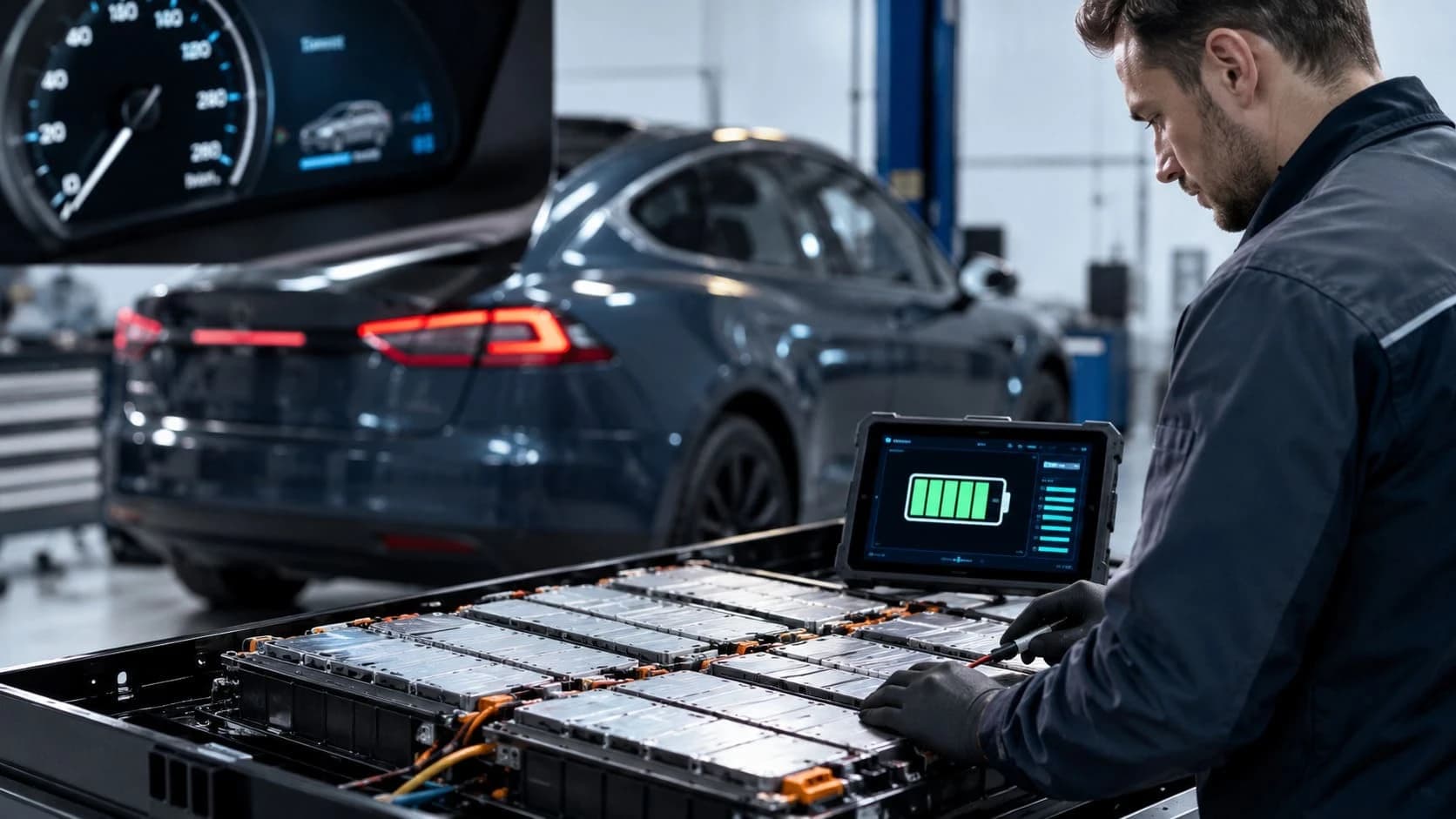
| Battery replacement cost | Expensive | Expensive but smaller battery |
| Service availability | Limited in some areas | More widely available |
Battery replacement is one of the biggest concerns for Pakistani buyers.
For EVs:
For hybrids:
Despite these concerns, modern batteries are generally designed for long-term use and often survive well beyond standard warranty periods.

One of the biggest factors in the electric vs hybrid vehicles in Pakistan debate is practicality. A vehicle may look great on paper, but daily convenience matters more for most buyers.
Pakistan’s EV infrastructure is still developing. Charging stations are increasing in major cities like:
However, availability becomes limited once you move outside urban areas. Current challenges include:
For people living in houses with dedicated parking, home charging is usually manageable. Apartment residents may face more difficulties because many buildings are not designed for EV charging setups.
Electricity reliability is another major concern for EV buyers in Pakistan. Common concerns include:
In some areas, frequent power outages can make EV ownership less convenient, especially for people who rely heavily on daily driving. This does not make EVs impractical, but it does mean buyers should realistically assess:
Hybrids currently offer a major convenience advantage in Pakistan because they do not depend on charging stations. Benefits include:
For many Pakistani families, this balance between fuel efficiency and convenience is why hybrids remain the safer choice today. That said, EV infrastructure is improving gradually, and city-based drivers may already find electric vehicles practical enough for everyday use.
Electric vehicles offer a smoother and quieter driving experience compared to traditional cars. Since they run entirely on electric motors, acceleration feels instant and the drive remains almost silent, especially in city traffic. EVs are particularly enjoyable for daily commuting because they reduce engine noise, vibration, and stop-and-go driving fatigue. However, drivers still need to consider battery range and charging access during longer trips.
Hybrid vehicles feel more familiar because they combine a petrol engine with electric assistance. They improve fuel efficiency without changing the overall driving style most Pakistani drivers are used to. Hybrids are also more practical for long-distance travel because refueling is quick and petrol stations are widely available across the country.
EVs provide a more modern and refined driving experience, while hybrids offer greater flexibility and convenience for Pakistan’s current road and infrastructure conditions.

As the Pakistani market grows, buyers now have more choices in both electric and hybrid categories. Some vehicles focus on affordability and fuel savings, while others target premium features and long-range performance.
| Vehicle Model | Type | Approximate Price Range | Best Use Case |
|---|---|---|---|
| MG ZS EV | Electric | Premium Range | City driving and daily commuting |
| BYD Atto 3 | Electric | Premium Range | Modern family use and urban travel |
| Audi e-tron | Electric | Luxury Range | Premium electric driving experience |
| Toyota Prius | Hybrid | Mid to Premium Range | Fuel-efficient daily use |
| Toyota Aqua | Hybrid | Budget to Mid Range | City driving and fuel savings |
| Corolla Cross Hybrid | Hybrid | Premium Range | Family use and long-distance travel |
| Honda Vezel Hybrid | Hybrid | Mid to Premium Range | Comfortable urban and highway driving |
Electric vehicles are gaining popularity mainly in larger cities where charging facilities are slowly improving. Buyers are attracted to:
However, EV ownership still depends heavily on reliable charging access.
Hybrid vehicles remain more common because they fit easily into Pakistan’s current fuel and road infrastructure. They offer:
For many Pakistani families, hybrids currently provide the best balance between efficiency and practicality.
The debate around electric vs hybrid vehicles in Pakistan comes down to practicality, budget, and driving habits. Electric vehicles offer lower running costs, quieter driving, and better long-term environmental benefits. However, they still depend heavily on charging infrastructure and reliable electricity access.
Hybrid vehicles, on the other hand, provide a more balanced solution for current Pakistani conditions. They deliver strong fuel efficiency without the stress of charging, making them more convenient for long-distance travel and everyday use across the country.
For city commuters with home charging access, an EV can be a smart long-term investment. For buyers who want flexibility, easier resale, and fewer infrastructure concerns, hybrids remain the more practical option today.
As Pakistan’s EV infrastructure continues to improve, electric vehicles are likely to become more common. Until then, the right choice depends on how and where you drive.

Feroza Arshad is a writer and content creator covering a range of subjects including news and current affairs, automobiles, sports, technology and coding, digital marketing, and Google and search trends. Her work appears across several blogs and publications. She focuses on clear, well-researched, and genuinely useful writing — breaking down developments, reviewing products, and explaining technical topics in plain language anyone can follow.
For years, the Toyota Fortuner has dominated Pakistan’s premium SUV market. If you had a budge
15 April 2026
When it comes to compact sedans, few rivalries are as deeply rooted in Pakistan’s automotive c
21 January 2026
When you're in the market for a car, one of the first decisions you’ll face is whether to go f
3 December 2025
Be the first to share your thoughts
No comments yet. Be the first to comment!
Share your thoughts and join the discussion below.
(1).webp&w=3840&q=75)