* All product/brand names, logos, and trademarks are property of their respective owners.
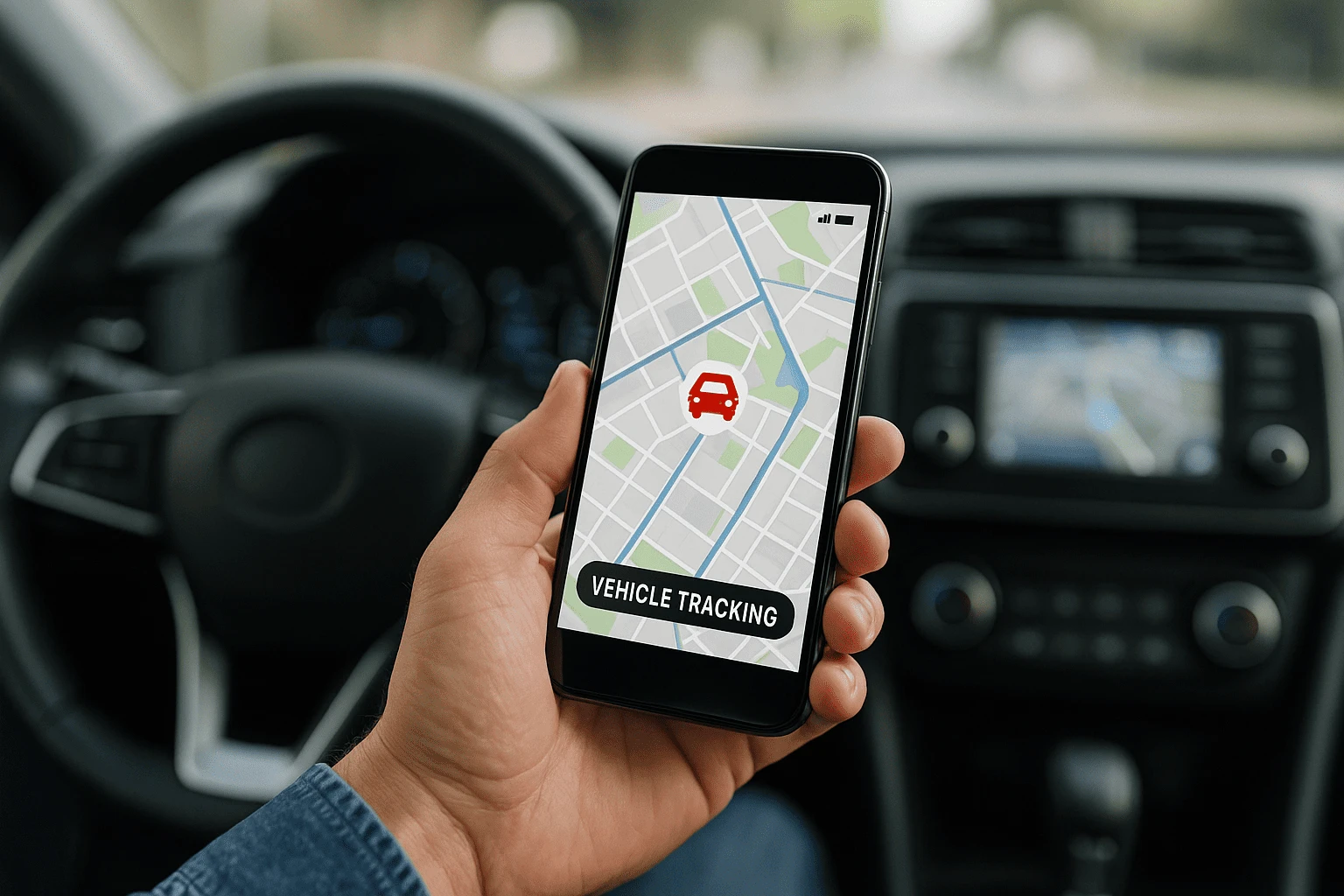
In today’s fast-paced world, knowing where your vehicle is—and what it’s doing—is no longer a luxury, it’s a necessity. Whether you're running a logistics company, managing a delivery fleet, or simply concerned about your personal car’s safety, vehicle tracking technology has become an essential tool. But here’s the exciting part: it’s no longer just about “where.” It’s about how, why, and what’s next.
Over the last few years, vehicle tracking systems have evolved far beyond basic GPS devices. We're now seeing a shift toward AI-powered tracking, IoT-enabled sensors, real-time data analytics, and cloud-based fleet management solutions. These tools aren’t just showing a dot on a map anymore—they’re helping businesses save fuel, monitor driver behavior, prevent accidents, and even predict vehicle maintenance needs before something goes wrong.
What’s driving this innovation? A mix of rising customer expectations, increased security concerns, government regulations, and the digital transformation of industries like transportation, logistics, and e-commerce. Add in Pakistan’s growing urban traffic challenges and rising fuel costs, and you’ve got the perfect environment for smart tracking tech to take center stage.
This blog dives into what’s new in vehicle tracking tech—from global innovations like 5G connectivity and AI, to local trends shaping how fleets and individual drivers in Pakistan are using these tools. We’ll break down the most exciting developments, show you how they’re being used in the real world, and help you understand what to look for if you’re planning to adopt one.
Let’s explore the future of vehicle tracking—because it’s already here, and it’s smarter than ever.
Vehicle tracking systems have come a long way from simple GPS dots on a screen. Today, modern tracking solutions are packed with cutting-edge technologies that provide detailed insights, improve safety, and boost efficiency. Here are some of the biggest innovations reshaping the way we track and manage vehicles:
Artificial Intelligence (AI) is playing a game-changing role in the evolution of vehicle tracking. Rather than just showing where a vehicle is, AI helps answer questions like: Is the driver speeding? Is there a risk of breakdown? Is this the most fuel-efficient route?
By analyzing patterns in driving behavior, fuel consumption, and route efficiency, AI can provide predictive maintenance alerts, suggest optimized routes, and even flag risky driving. This isn’t just about saving time—it’s about preventing costly repairs, reducing accidents, and improving fleet performance overall.
For example, a logistics company in Lahore using AI-enabled tracking software saw a 15% drop in fuel usage simply by adjusting routes and identifying idle times.
Thanks to the Internet of Things (IoT), vehicles are becoming smart machines. Sensors placed inside trucks, cars, and buses collect real-time data on things like engine health, tire pressure, battery status, and even cabin temperature.
This detailed monitoring allows fleet managers to stay one step ahead. For instance, instead of waiting for a vehicle to break down, the system might detect unusual engine temperature spikes and recommend immediate service. The result? Less downtime and better operational control.
IoT tech is especially useful in industries like cold-chain logistics, where temperature-sensitive goods like medicines or frozen food must be tracked with precision.
Gone are the days when vehicle tracking software had to be installed on bulky desktop systems. Today, cloud-based platforms let users monitor their entire fleet from any device—laptop, tablet, or smartphone.
These platforms offer centralized dashboards, real-time alerts, and easy access to reports and analytics. This is especially helpful for small businesses in Pakistan that need powerful features without high infrastructure costs.
Cloud systems also allow for remote troubleshooting, software updates, and seamless integration with other business tools—making them ideal for growing businesses and distributed teams.
As technology advances, vehicle tracking continues to evolve—offering smarter, faster, and more secure ways to manage everything from a single car to an entire fleet. Let’s explore the biggest trends you should keep an eye on in 2025.
One of the most exciting developments in vehicle tracking is the rollout of 5G technology. Unlike 3G or 4G, 5G offers ultra-fast data transmission with minimal latency. This means real-time tracking will be more accurate and responsive than ever before.
With 5G-enabled devices, tracking systems can instantly process live video feeds, traffic updates, and vehicle diagnostics. In high-speed scenarios—like ride-hailing services in big cities such as Karachi or Lahore—5G can drastically improve navigation accuracy and decision-making.
Moreover, for companies running large fleets, faster communication between vehicles and control centers means fewer delays, better coordination, and improved customer service.
As vehicle tracking becomes more connected and cloud-based, data security has emerged as a critical issue. Every tracking device is a potential access point, and sensitive data—like routes, speeds, fuel usage, or even driver behavior—needs protection.
In 2025, expect a stronger focus on cybersecurity features such as encrypted data transmission, multi-factor authentication, and regular software updates. Businesses and individuals in Pakistan must ensure that their tracking systems comply with both global standards and any emerging local regulations.
For example, a rise in cyberattacks on fleet software last year highlighted the need for better protection in transport and logistics sectors—especially in markets where regulations are still catching up.
While the global market sees rapid tech adoption, Pakistan is catching up fast. Demand for GPS and telematics solutions is rising, particularly in sectors like logistics, school transport, ride-hailing, and inter-city bus services.
Key trends include:
Growing use of tracking for school buses: Parents are demanding real-time updates and safety alerts.
Fleet optimization in logistics firms: Fuel savings and driver accountability are major priorities.
Adoption by SMEs: Small businesses are increasingly turning to affordable GPS trackers to monitor their vehicles and deliveries.
However, challenges like inconsistent internet access, lack of awareness, and affordability gaps still exist. This opens opportunities for local tech startups to create low-cost, mobile-friendly, and Urdu-enabled solutions tailored to Pakistani businesses.
Vehicle tracking technology has come a long way—from basic GPS tools to smart, AI-powered systems that offer real-time insights, improve safety, and streamline operations. As we move deeper into 2025, it’s clear that this industry is no longer just about knowing where a vehicle is—it's about predicting, optimizing, and protecting everything on the move.
From AI and predictive analytics to IoT integrations and cloud-based platforms, businesses now have access to tools that were once reserved for massive logistics companies. Even small businesses and individual vehicle owners in Pakistan can tap into this evolving technology to reduce costs, improve efficiency, and increase security.
With the rise of 5G, more connected vehicles, and growing attention to data security, the next few years will bring even more powerful advancements. And as local adoption in Pakistan continues to rise, especially in school transport, delivery services, and inter-city travel, we can expect vehicle tracking to become a daily essential—not a luxury.
Whether you're a fleet manager, a small business owner, or just someone concerned about your vehicle’s safety, now is the perfect time to explore smarter tracking solutions. Look for systems that are secure, future-proof, and adaptable to your needs—especially those with local support in Pakistan.
The road ahead is digital, intelligent, and data-driven. Are you ready to track the future?

I am Zeenat, an SEO Specialist and Content Writer specializing in on-page and off-page SEO to improve website visibility, user experience, and performance.
I optimize website content, meta elements, and site structure, and implement effective off-page SEO strategies, including link building and authority development. Through keyword research and performance analysis, I drive targeted organic traffic and improve search rankings.
I create high-quality, search-optimized content using data-driven, white-hat SEO practices, focused on delivering sustainable, long-term growth and improved online visibility.
Pakistani car buyers are hearing more about EVs, hybrids, plug-in hybrids, range extenders, new ener
4 June 2026
Auto tech innovations in Pakistan are changing the way people think about driving, safety, fuel savi
26 May 2026
Not long ago, driving meant full control—hands on the steering wheel, eyes on the road, and ev
1 May 2026
Be the first to share your thoughts
No comments yet. Be the first to comment!
Share your thoughts and join the discussion below.