* All product/brand names, logos, and trademarks are property of their respective owners.
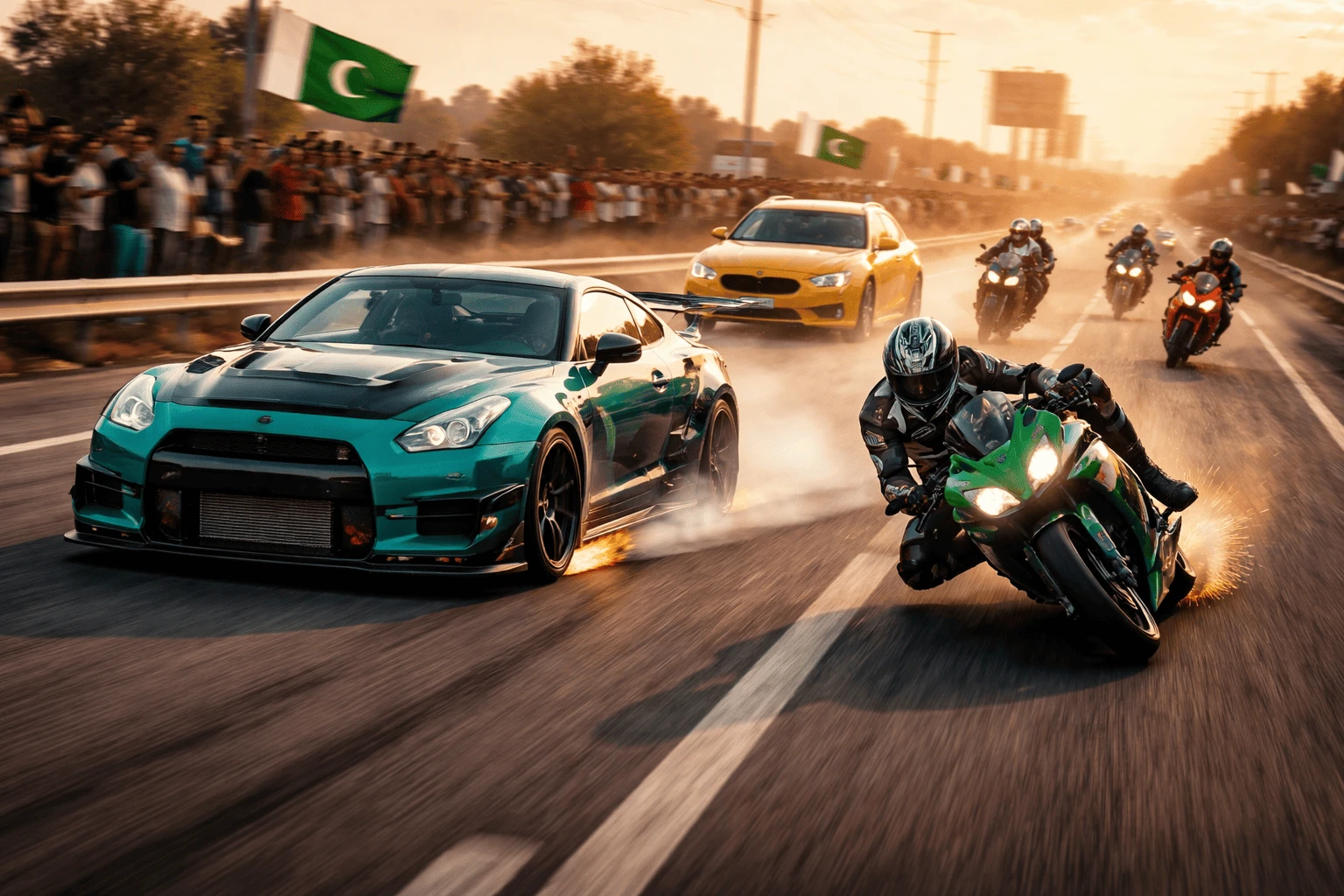
Drive through any major city in Pakistan late at night, and you’ll notice an energy shift. The roads are quieter, but the atmosphere feels more intense. A bike speeds past with a sharp exhaust note. A car accelerates quickly at a signal. Somewhere nearby, a group has gathered, talking about modifications, engines, and the next upgrade.
At the same time, similar moments are playing out on millions of screens. Scroll through TikTok or Instagram, and you’ll see endless clips of drifting cars, revving bikes, and high-speed runs — all filmed locally, shared instantly, and watched repeatedly.
This is what defines the rise of Pakistan speed culture.
It’s no longer just about driving fast. It’s about identity, attention, thrill, and community. From modified 125 bikes to sleek car builds, speed has become a way for many young Pakistanis to express themselves and stand out.
But why is this culture growing so quickly right now?
The answer lies in a mix of youth influence, social media, accessibility, and deeper psychological factors that are turning speed into more than just movement — into a lifestyle.
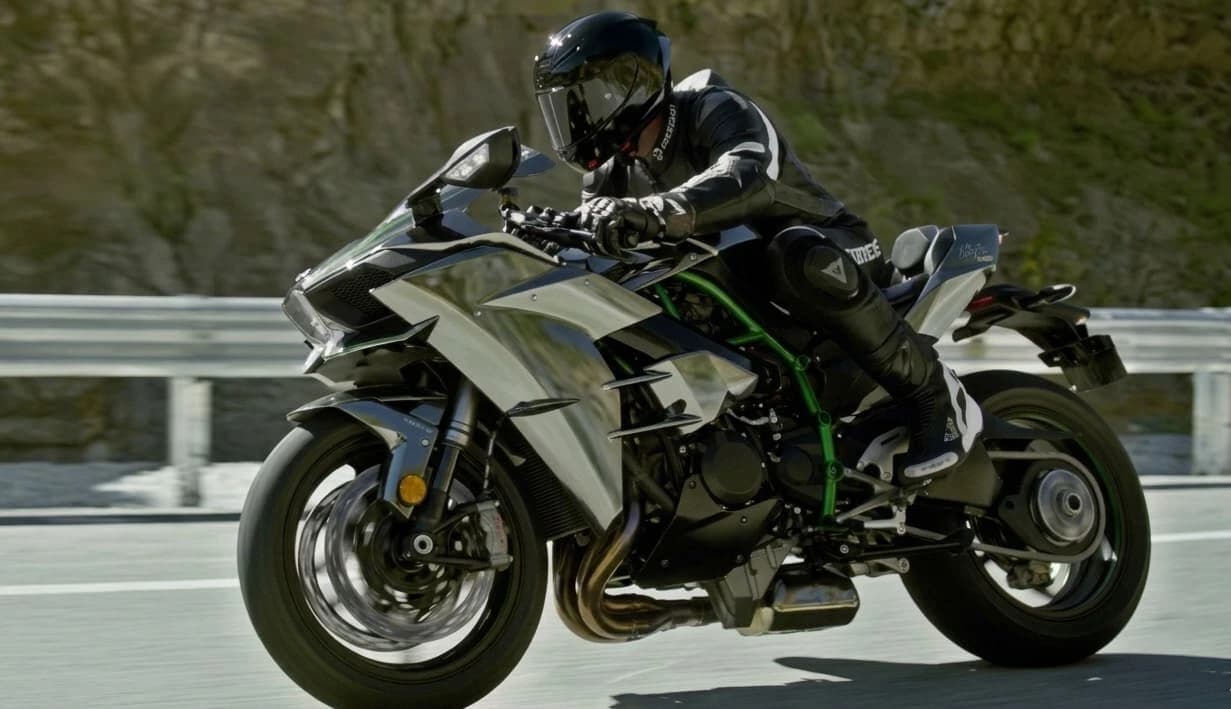
Speed culture in Pakistan goes far beyond racing. It’s a blend of automotive passion, visual style, social presence, and thrill-seeking behavior.
It includes:
In simple terms, it’s the fascination with making vehicles look, sound, and feel powerful — even if they aren’t used for professional racing.
What makes Pakistan’s version unique is its diversity. This isn’t limited to high-end sports cars. It exists across all levels:
This wide range makes the culture accessible. Anyone, regardless of budget, can participate in some way.
More importantly, speed culture today is tied to visibility. It’s not just about how fast you go — it’s about how many people notice.
Pakistan has a large youth population, and that alone plays a huge role in shaping trends. Young people are naturally drawn toward things that offer excitement, identity, and recognition — and speed culture delivers all three.
For many, vehicles are no longer just tools. They are personal projects.
A bike or car becomes something to build, improve, and show off. Even small changes can make a big difference:
These modifications allow young people to express themselves in a way that feels unique.
Bikes, in particular, are a major entry point into speed culture.
Models like the CD70 and Honda 125 have become cultural icons. With the right modifications, they can stand out just as much as a car.
This youth-driven energy keeps the trend constantly evolving. New styles, sounds, and ideas appear regularly, making the culture feel fresh and alive.
Bike lovers must read this: How to Modify Your Bike for a Sporty Look
If there’s one factor accelerating speed culture more than anything else, it’s social media.
Platforms like TikTok, Instagram, and YouTube have turned speed into a form of entertainment. A short clip of a rev, a drift, or a race can go viral within hours.
Because of this, algorithms push such content more often. The more people watch it, the more they see it — and the more normal it feels.
Social media creates a powerful loop:
This is why speed culture grows so quickly. It’s not just experienced — it’s constantly being replicated.
Pakistani auto vloggers and content creators have made this trend even stronger. They show:
This relatability makes viewers think, “I can do this too.”
Over time, vehicles become part of digital identity. People don’t just drive — they create content, build audiences, and shape their image around speed.
Speed culture is also deeply connected to status.
A loud bike or a visually striking car instantly attracts attention. And in a world where attention matters, that becomes valuable.
For many, it’s not about actual speed — it’s about how speed looks and sounds.
These elements create presence. They make people turn their heads.
High-end cars and luxury builds set the standard. Even if most people can’t afford them, they influence trends across all levels.
This leads to imitation:
Recognition fuels the culture:
The more attention someone gets, the more they invest in improving their vehicle.
In many cases, the vehicle becomes part of identity. People are known by what they drive or ride — and how it sounds.
Another major factor behind this trend is accessibility.
Owning and modifying a vehicle is easier today than it was in the past.
This creates entry points for people at different income levels.
There is now a huge market for modifications:
These options allow people to personalize their vehicles easily.
Local workshops specialize in customization, making upgrades more accessible.
At the same time, many enthusiasts learn through:
This DIY approach makes the culture even more personal and engaging.
One of the most interesting aspects of Pakistan’s speed culture is creativity.
Even with limited budgets, people find ways to stand out:
This flexibility allows the culture to grow across all segments of society.
Beyond trends and status, there’s a deeper reason behind this culture: the thrill.
Speed creates a physical and emotional reaction.
When someone accelerates quickly:
This creates a rush that feels exciting and intense.
For many, speed offers a break from daily life.
It’s a way to disconnect from stress and feel something different.
Handling a fast-moving vehicle gives a feeling of control and confidence.
This connection between human and machine adds to the appeal.
Speed becomes more exciting in groups:
The shared experience amplifies the thrill.
Pakistan’s urban environment also supports this trend.
At night:
This creates ideal conditions for speed-related activity.
Modern infrastructure includes:
These naturally encourage faster driving.
Car meets and gathering spots turn speed culture into a social event.
People come together to:
These spaces keep the culture alive and growing.
Despite its appeal, speed culture has serious downsides.
Risky behavior often looks exciting online, which can lead to imitation — especially among younger audiences.
Trying to keep up with trends can lead to overspending on modifications.
With limited racing tracks, public roads are often used instead, increasing danger.
Pakistan’s speed culture is growing because it connects with something deeper than just vehicles. It combines youth energy, social media influence, accessibility, and the human desire for excitement and recognition.
It gives people a way to stand out, feel alive, and be part of something larger than themselves.
But like any powerful trend, it comes with responsibility.
The future of Pakistan's speed culture will depend on how it evolves — whether it moves toward safer, more organized environments or continues to expand informally.
One thing is certain: this is not a temporary phase. It reflects a shift in how young people in Pakistan express identity, chase thrill, and connect with the world around them.

I am Zeenat, an SEO Specialist and Content Writer specializing in on-page and off-page SEO to improve website visibility, user experience, and performance.
I optimize website content, meta elements, and site structure, and implement effective off-page SEO strategies, including link building and authority development. Through keyword research and performance analysis, I drive targeted organic traffic and improve search rankings.
I create high-quality, search-optimized content using data-driven, white-hat SEO practices, focused on delivering sustainable, long-term growth and improved online visibility.
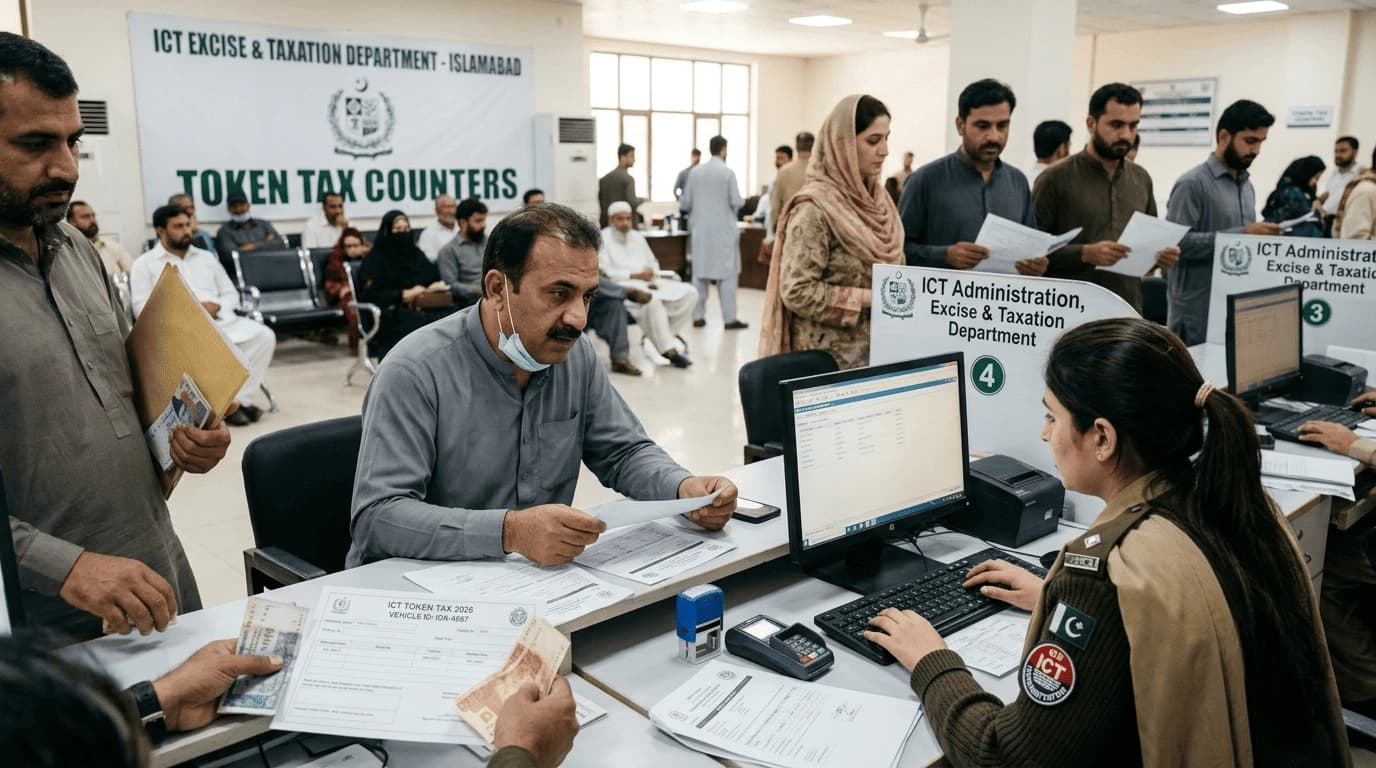
Car owners in Islamabad will now have to pay higher annual token tax under the revised structure eff
7 July 2026
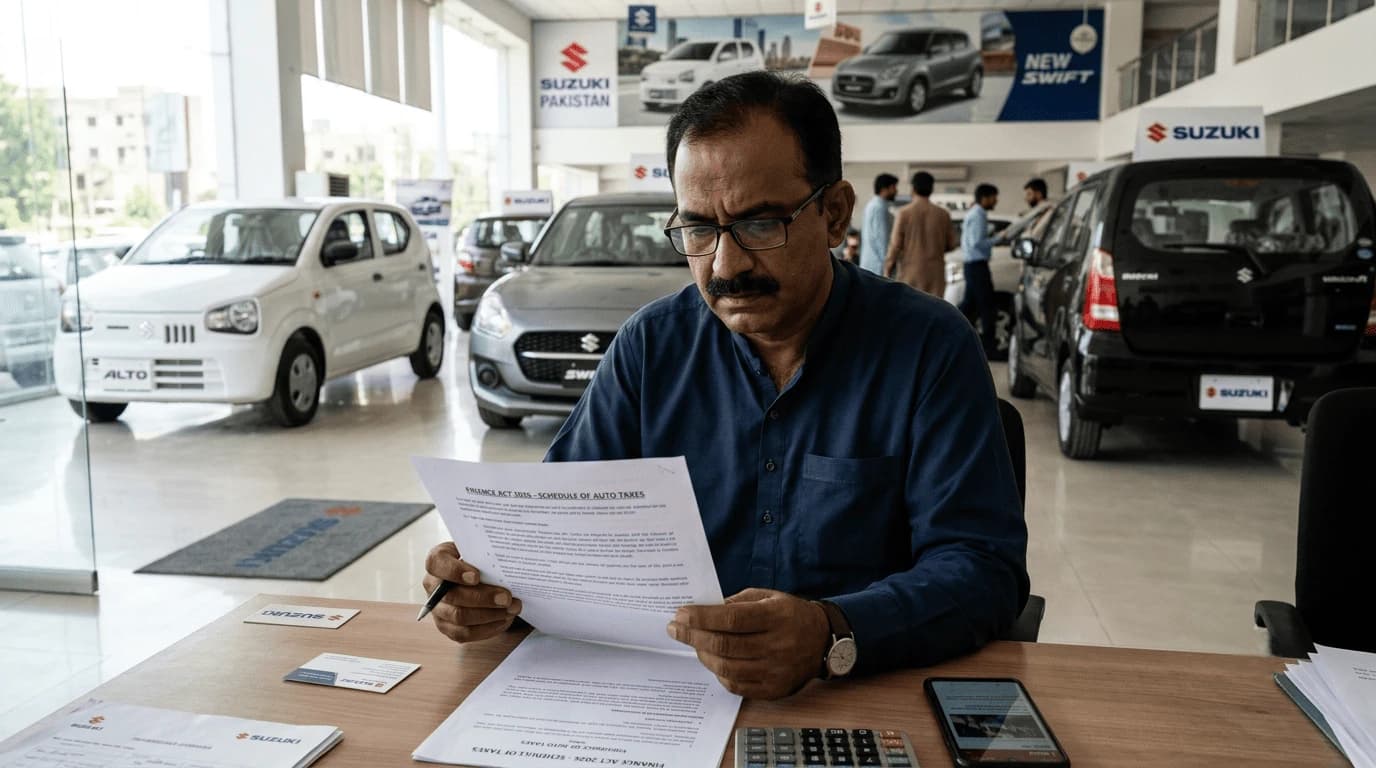
Pakistan’s Finance Act 2026 has introduced a fresh round of auto-sector taxes from July 1, cha
7 July 2026
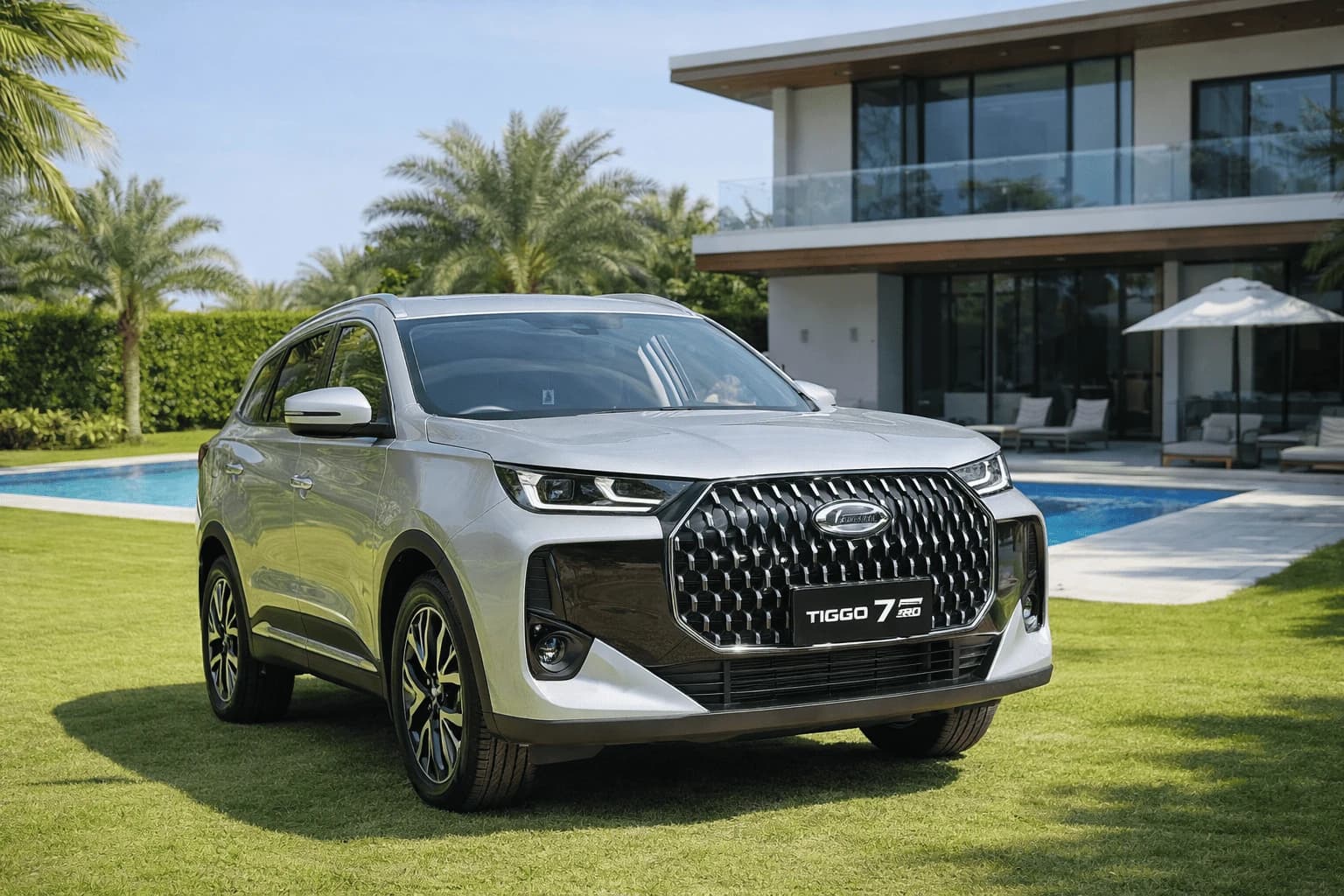
The Chery Tiggo 7 PHEV price in Pakistan has become one of the hottest topics in the local auto mark
11 April 2026
Be the first to share your thoughts
No comments yet. Be the first to comment!
Share your thoughts and join the discussion below.