* All product/brand names, logos, and trademarks are property of their respective owners.
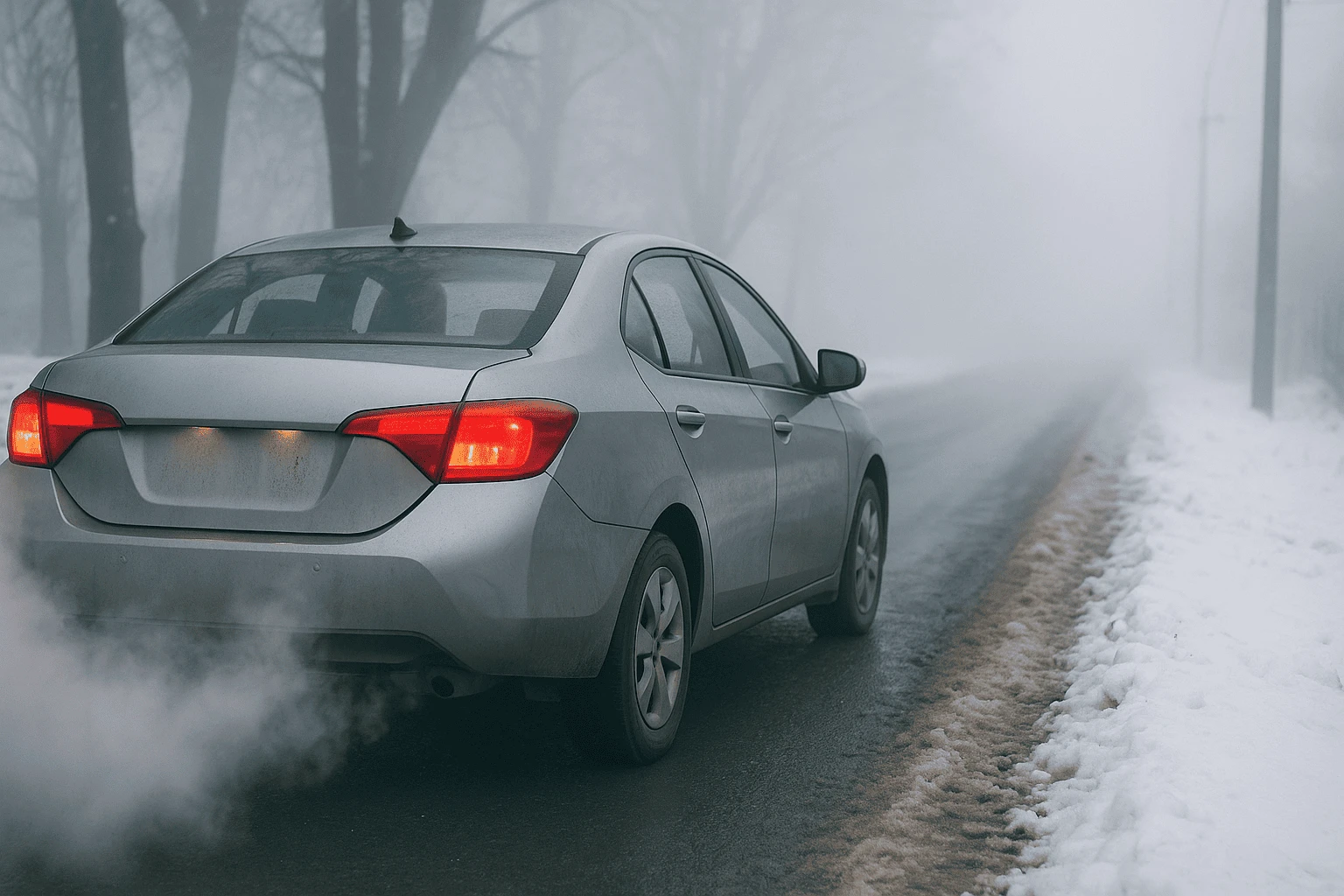
Winter mornings in Pakistan can be tough — and if you're like most drivers, your first instinct might be to start your car and let it idle for several minutes while you sip your chai or scrape off the dew. It feels like the “right” thing to do. After all, isn't idling supposed to warm up your engine and make driving safer in the cold?
Well, not exactly.
While this practice might have made sense decades ago, especially with old carbureted engines, modern fuel-injected engines don’t need long warm-ups. In fact, letting your car idle unnecessarily in winter is one of the most fuel-wasting and engine-damaging habits — especially common in Pakistan, where myths about car care still circulate among drivers.
Think about it: every extra minute your car sits idling burns fuel — and with petrol prices fluctuating across the country, that wasted fuel adds up fast. But it’s not just about money. Long idling times can actually do more harm than good to your engine, causing unnecessary wear and tear over time. Plus, idling contributes to higher emissions — something our cities like Lahore, Karachi, and Islamabad are already struggling with.
In this blog, we’re going to break down the most common engine idling mistakes drivers make during winter, explain why they’re harmful, and show you smarter, more efficient alternatives that save fuel and protect your vehicle.
So if you're ready to drive smarter this winter — and stop throwing money out your exhaust pipe — keep reading. You’ll be surprised how just a few small changes in your morning routine can make a big difference.
Many drivers believe they’re helping their car by letting it idle for several minutes during winter mornings. The truth? Excessive idling causes more harm than good — especially in Pakistan’s moderate winter climates. Here's why this outdated habit could be costing you more than just fuel.
Let’s start with the most obvious consequence — fuel waste.
When you idle your car for 10–15 minutes every morning, you’re burning fuel without moving a single inch. Multiply that by 30 days, and you're potentially wasting several litres each month — equivalent to hundreds or even thousands of rupees, depending on fuel prices in your city.
Example:
If your car burns 0.6 litres per 10 minutes of idling, and petrol costs Rs. 300/litre, you’re losing Rs. 5,400/month — just by sitting still!
In cities like Lahore, Islamabad, or Quetta, where early mornings can be chilly, idling may feel comforting — but it’s costing you real money.
Contrary to popular belief, prolonged idling in cold weather doesn’t help your engine — it actually increases wear and tear.
Here’s why: When your engine is cold, the oil that lubricates moving parts is thicker and doesn’t circulate as efficiently. Idling doesn't generate enough heat to thin the oil quickly, which means your engine runs longer with poor lubrication. This can cause:
Carbon buildup in the engine
Fuel dilution in the oil
Extra stress on engine components
This is especially harmful for older vehicles, which are common on Pakistani roads. If your car’s engine already struggles in winter, long idling will only accelerate problems like reduced mileage, sluggish acceleration, and more frequent breakdowns.
Long idling sessions don't just harm your car — they harm the environment and put your safety at risk.
A vehicle idling emits harmful pollutants like carbon monoxide and nitrogen oxides. In major Pakistani cities, where air quality often dips in winter due to smog, every idling car contributes to worsening pollution.
Additionally, leaving your car running unattended is a major theft risk. It only takes a few seconds for someone to drive off with your vehicle, especially in congested areas like Karachi or Rawalpindi, where car theft is a real concern.
Even well-meaning drivers often fall into bad habits during the colder months — and winter in Pakistan is no exception. While the temperatures might not reach sub-zero levels like in Europe or North America, many people still adopt outdated idling practices that can waste fuel, harm their engine, and even put them at risk. Let’s look at some of the most common winter engine idling mistakes — and how to avoid them.
This is the most widespread myth — that you should idle your car for 10–15 minutes before driving. This belief stems from the days of carbureted engines, which did need a warm-up to function properly.
But modern vehicles in Pakistan, even older fuel-injected ones, only need 30–60 seconds of idle time before they’re ready to go. Idling for longer doesn’t speed up the warm-up — it just burns fuel and increases engine wear.
Tip: Start the engine, let it idle for about 30 seconds, then begin driving gently. The engine warms up faster this way because it's under light load.
On cold mornings, it’s tempting to keep the car running just to warm up the seats or defrost the windshield. But the truth is, the cabin heats up faster when the vehicle is moving, not idling.
Modern cars have efficient heating systems that respond quickly while driving. Sitting in your driveway waiting for the interior to warm up just wastes fuel and adds unnecessary emissions to the environment.
Alternative: Dress warmly, start driving, and the car’s heater will kick in faster as the engine reaches optimal temperature.
Many drivers start their car, leave it running, and then begin clearing dew, fog, or frost from the windows — especially in places like Islamabad or Murree. While it may seem harmless, this habit is risky.
Not only does it invite theft, but idling during this time adds no real benefit to the engine or the heating process. Plus, it’s an opportunity lost to simply start your journey and let the car warm up naturally on the road.
Better habit: Clear the windows first, then start the car. Drive gently while the engine warms up and the cabin heats in sync.
Now that we’ve covered what not to do, let’s talk about the smarter habits you should adopt to keep your car — and your wallet — in good shape during winter. These tips are practical, fuel-efficient, and especially helpful for drivers in Pakistan, where fuel costs are high and winters vary across regions.
Instead of idling for long periods, the best practice is to start your car, wait 30–60 seconds, and then begin driving gently. This gives your engine enough time to stabilise and allows all systems — including oil circulation and fuel injection — to work efficiently as you move.
The motion of driving generates heat faster than idling ever could. Your engine warms up more quickly, your heater kicks in sooner, and you save fuel in the process.
Pro Tip: Avoid high speeds or sudden acceleration for the first 5–10 minutes. Gentle driving during this time helps your engine adjust without unnecessary strain.
If your car has a remote starter — or if you’re in the habit of starting your car and locking it from outside — be cautious. While remote start is convenient, especially on chilly mornings, letting your car run for 10–15 minutes unattended is wasteful.
Limit remote start sessions to 1–2 minutes if absolutely needed, then get in and start driving gently. Anything beyond that is just burning money.
Bonus Tip: Never leave the keys inside or walk away from an unlocked, running vehicle — theft is always a risk, especially in busy urban areas like Karachi or Lahore.
The real secret to a healthy engine in cold weather isn’t idling — it’s preparation and maintenance.
Make sure you:
Use the right engine oil (e.g., 5W-30 or 10W-30 for better cold-start performance)
Keep your battery fully charged
Check tire pressure regularly (cold air lowers PSI)
Ensure your coolant and heating systems are working properly
Keep your fuel tank at least half-full to prevent condensation
These steps will make winter starts easier, reduce your reliance on long warm-ups, and extend your engine’s lifespan.
Local Insight: In hilly or colder regions of Pakistan, like Murree or Gilgit, vehicle maintenance becomes even more important due to freezing temperatures. Make sure to winterise your car before temperatures drop too low.
Old habits die hard — especially when it comes to winter driving routines. For years, many drivers in Pakistan and around the world have believed that letting your car idle in the cold is necessary to protect the engine or warm up the interior. But as we’ve seen, this isn’t just outdated — it’s harmful.
Engine idling in winter wastes fuel, shortens your engine’s life, and harms the environment. In a country like Pakistan, where fuel prices are high and older cars are still common, the impact of these small habits adds up quickly — both for your wallet and your vehicle’s health.
Let’s recap the key takeaways:
Idling more than 30–60 seconds isn’t necessary — modern engines are built to warm up faster while driving.
Excessive idling can damage your engine by causing fuel dilution, carbon buildup, and poor lubrication during cold starts.
You're burning money — daily idling can cost thousands of rupees a month in wasted fuel.
Leaving your car running increases the risk of theft and contributes to poor air quality in urban areas.
Better habits include driving gently after a short idle, using remote start briefly, and maintaining your vehicle for cold weather.
So this winter, ditch the idling myths. Take a smarter approach to cold starts and drive off knowing you’re saving fuel, protecting your engine, and doing your part for the environment.
Learn more about winter car care here:
Winter Car Care Tips for Pakistan Drivers 2025
Ready to make a change?
Try adjusting your winter driving routine for just one week — and watch how it affects your fuel usage and car’s performance. Share this article with friends or family who still believe in the “10-minute warm-up” myth. Let’s help each other drive smarter.

I am Zeenat, an SEO Specialist and Content Writer specializing in on-page and off-page SEO to improve website visibility, user experience, and performance.
I optimize website content, meta elements, and site structure, and implement effective off-page SEO strategies, including link building and authority development. Through keyword research and performance analysis, I drive targeted organic traffic and improve search rankings.
I create high-quality, search-optimized content using data-driven, white-hat SEO practices, focused on delivering sustainable, long-term growth and improved online visibility.
When a car's AC stops cooling properly in Pakistan's summer, every traffic signal feels longer. The
5 June 2026
Monsoon driving in Pakistan is hard on cars. Roads flood, potholes hide under water, traffic slows,
4 June 2026
The monsoon season in Pakistan brings much-needed relief from the scorching summer — but it al
26 January 2026
Be the first to share your thoughts
No comments yet. Be the first to comment!
Share your thoughts and join the discussion below.