* All product/brand names, logos, and trademarks are property of their respective owners.
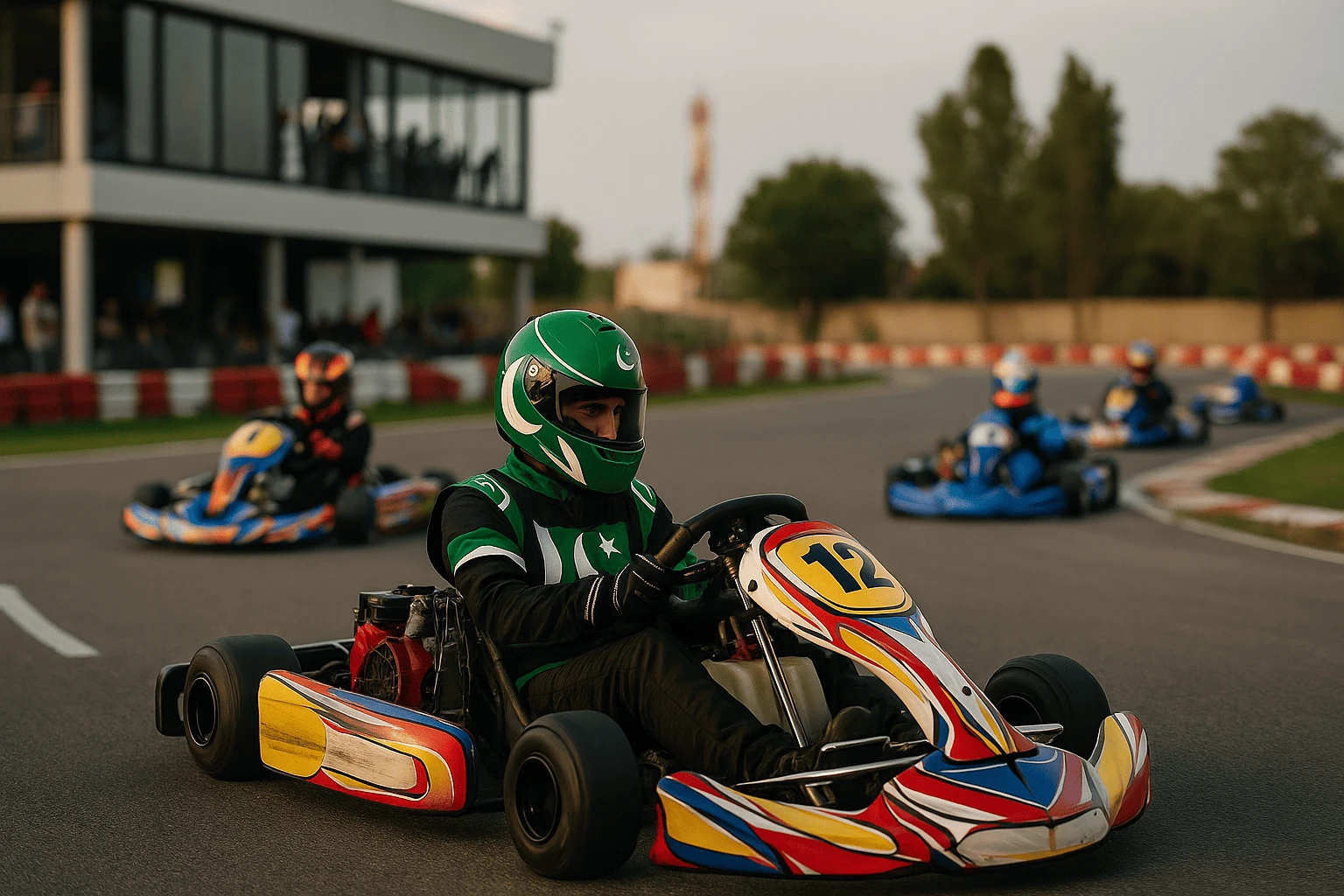
Pakistan’s Racing Scene Gets a New Favorite: A quiet revolution is happening on the tracks of Pakistan — and it's not about cricket or football. It’s the unexpected rise of karting, a sport once seen as a weekend thrill in the West, now becoming a full-blown passion for youth, families, and even businesses across Pakistan.
In cities like Lahore, Karachi, and Islamabad, karting clubs are no longer hidden gems. They're buzzing hubs where the roar of engines meets the cheers of first-time racers. From sleek indoor tracks to sprawling outdoor circuits, these venues are drawing in thousands who want a taste of the fast lane — without needing a racing license or millions in funding. The growing popularity of go-karting in Pakistan is not just a passing trend. It’s evolving into a community, a lifestyle, and, for some, a stepping stone toward serious motorsport ambitions.
But what’s really fueling this national obsession? Is it the adrenaline rush, the accessibility, or the rise of influencers and social media content that makes karting look so appealing? The answer lies in a mix of excitement, opportunity, and a changing youth culture that’s hungry for new experiences.
In this blog, we’ll explore how karting clubs in Pakistan are booming, what makes the sport so appealing to locals, and how this movement is reshaping entertainment, youth activities, and even entrepreneurship. Whether you're a motorsport fan, a parent looking for safe fun, or just curious about this high-speed trend — buckle up. The karting revolution in Pakistan is just getting started.
Karting, or go-kart racing, is a form of motorsport where small, open-wheel vehicles — called go-karts — race around specialized tracks. While it may look like a fun amusement park ride to the untrained eye, karting is actually the foundation of professional racing for many Formula 1 stars, including Lewis Hamilton and Sebastian Vettel.
The vehicles are compact but powerful, with some capable of hitting speeds over 100 km/h. They usually have one seat, basic steering, and low ground clearance — making them fast, responsive, and super fun to drive. The thrill lies in the corners, not just the speed. Drivers learn racing lines, braking points, and overtaking strategies — all while staying inches from the track.
One of the biggest reasons behind karting’s popularity in Pakistan is how accessible it is. You don’t need to be a professional driver or even own your own kart to join in. Most tracks provide rental karts and helmets, allowing complete beginners to jump in and start racing.
Safety is a top priority — tracks are designed with barriers, run-off areas, and marshals on standby. Racers wear helmets and in many cases, neck braces and gloves. For newcomers, staff usually provide quick tutorials and safety instructions before the race begins.
| Age Group | Karting Option | Notes |
|---|---|---|
| 7–12 years | Junior karts with speed limiters | Age-appropriate speed; often requires adult supervision |
| 13–17 years | Teen/adult karts | Full-speed karts with safety briefings |
| Adults (18+) | Standard adult karts | No special license needed |
| Parents with Kids | Dual-seater karts (available at some tracks) | Great for kids under 7 riding with parents |
| Beginners | Rental karts + safety gear provided | Helmets, gloves, quick tutorials included |
| Competitive Racers | League-based or timed race events | Some clubs now offer local competitions |
In recent years, karting in Pakistan has shifted from a niche activity to a mainstream pastime. So what’s driving this motorsport madness?
For starters, young people are craving new experiences that go beyond malls and cafés. Karting delivers the perfect mix of thrill and accessibility. It feels adventurous but is still safe and affordable — especially compared to owning a car or bike for racing.
Parents, too, are on board. They see karting as a safer, supervised activity that teaches discipline, focus, and sportsmanship. Schools and youth groups have even started organizing group visits to karting venues as part of extracurricular activities.
Also, the rise of middle-class entertainment spending is playing a big role. As cities expand and family incomes rise, people are investing more in leisure activities, and karting offers a unique, interactive option. It’s also one of the few sports where all age groups can compete side-by-side — from teenagers to working professionals.
While the karting craze is growing nationwide, a few cities are clearly in the driver’s seat:
Lahore: Home to high-end tracks like 2F2F Formula Karting, offering 1.5 km of pure racing joy with modern facilities, speed challenges, and group events.
Karachi: Boasting indoor tracks in malls and outdoor circuits on city outskirts, it’s a top destination for both casual and competitive racing.
Islamabad: With scenic outdoor karting setups, the capital offers an adrenaline rush combined with a peaceful backdrop — perfect for family weekends.
These cities have become trendsetters, inspiring smaller towns like Faisalabad, Multan, and Peshawar to develop their own tracks and clubs.
A big boost to karting’s popularity in Pakistan has come from viral social media content. TikTokers, YouTubers, and Instagram influencers are regularly posting high-speed laps, group racing content, and funny crash clips — making karting look fun, trendy, and totally share-worthy.
Local content creators like family vloggers and lifestyle influencers often feature karting in their “Things to Do in Lahore/Karachi” videos. It’s become a go-to weekend activity that looks great on camera — and people want in.
Even brands have started sponsoring karting events, tapping into a younger audience hungry for speed and experience.
The rise in demand for karting has opened the doors for a new kind of business opportunity in Pakistan — karting clubs. What started as a few standalone tracks is now growing into a structured club culture, with entrepreneurs, investors, and even motorsport enthusiasts setting up racing clubs in major cities.
Clubs like 2F2F Formula Karting in Lahore and Islamabad, and Omni Karting Circuit in Karachi, offer more than just a place to race. They provide memberships, race day events, driver training, and timed competitions, fostering a sense of community among fans. Some clubs are even partnering with schools and universities to scout and develop young talent.
What’s more exciting is the expansion outside major cities. Towns like Faisalabad, Sialkot, and Multan are witnessing the early stages of karting club development — showing this trend is far from limited to the urban elite.
Karting is fast evolving into a social and lifestyle experience. Clubs are offering packages for:
Corporate team-building events
Birthday parties & family weekends
Ladies-only race days
Night races under lights
This shift is helping normalize motorsports as a recreational activity, not just a competitive sport. With Instagrammable lounges, food courts, and premium viewing areas, karting clubs are becoming the new hotspots for weekend outings in urban Pakistan.
Some clubs even host annual championships, offering trophies, merchandise, and bragging rights — all contributing to a growing subculture of local racing.
Despite the rapid growth, karting in Pakistan still faces some speed bumps:
Challenges:
Limited infrastructure in smaller cities
Lack of professional training programs
High cost of quality equipment and maintenance
No formal motorsport governing body for karting
Opportunities:
Create youth academies and feeder programs for motorsport
Government recognition and support for motorsport as an industry
Brand sponsorships and media coverage of local leagues
Expansion into e-sports or VR karting as tech grows
As local interest keeps rising and media attention grows, there’s a strong case for Pakistan becoming a regional hub for entry-level motorsports — with karting clubs at the very heart of it.
The rise of karting in Pakistan is more than a trend — it’s a cultural shift. What once seemed like a Western hobby is now a full-blown obsession across the country. From the heart of Lahore’s speed circuits to the scenic tracks of Islamabad, karting clubs are transforming how Pakistanis spend their weekends, celebrate milestones, and even build careers.
It’s not just about the rush of racing. It’s about building communities, encouraging youth talent, and creating safe, accessible spaces where thrill and fun intersect. The karting boom is proving that Pakistanis are ready to embrace new kinds of sports — ones that involve speed, strategy, and a bit of friendly competition.
As more clubs open up, more events get organized, and more young drivers get behind the wheel, Pakistan is quietly paving its own track in the world of motorsports. Whether you're a teenager looking for a weekend thrill, a parent searching for family-friendly fun, or an entrepreneur considering your next venture — the karting scene is calling.
So why not check out your local track?
You might just discover your next favorite sport — or the next racing star in the making.

I am Zeenat, an SEO Specialist and Content Writer specializing in on-page and off-page SEO to improve website visibility, user experience, and performance.
I optimize website content, meta elements, and site structure, and implement effective off-page SEO strategies, including link building and authority development. Through keyword research and performance analysis, I drive targeted organic traffic and improve search rankings.
I create high-quality, search-optimized content using data-driven, white-hat SEO practices, focused on delivering sustainable, long-term growth and improved online visibility.
The Kawasaki Ninja H2 is not just another superbike. It is Kawasaki’s supercharged statement m
3 June 2026
Nissan heard the complaints loud and clear. The Z Nismo had the power, the attitude, and the sharper
22 May 2026
The 2026 World Rally Championship isn’t just another season — it’s the closing cha
24 February 2026
Be the first to share your thoughts
No comments yet. Be the first to comment!
Share your thoughts and join the discussion below.